Esther N'sapu, international photojournalist in Goma, DR Congo

5 mins read
Published31st Oct, 2025

“I particularly enjoy photographing people in their daily lives — observing them, listening to them, understanding them, viewing them with an artist's eye…”

Esther N’sapu is a Congolese photojournalist. Through her work, she explores themes of memory, history, identity, and resilience, placing both intimate and collective narratives at the heart of her artistic practice.

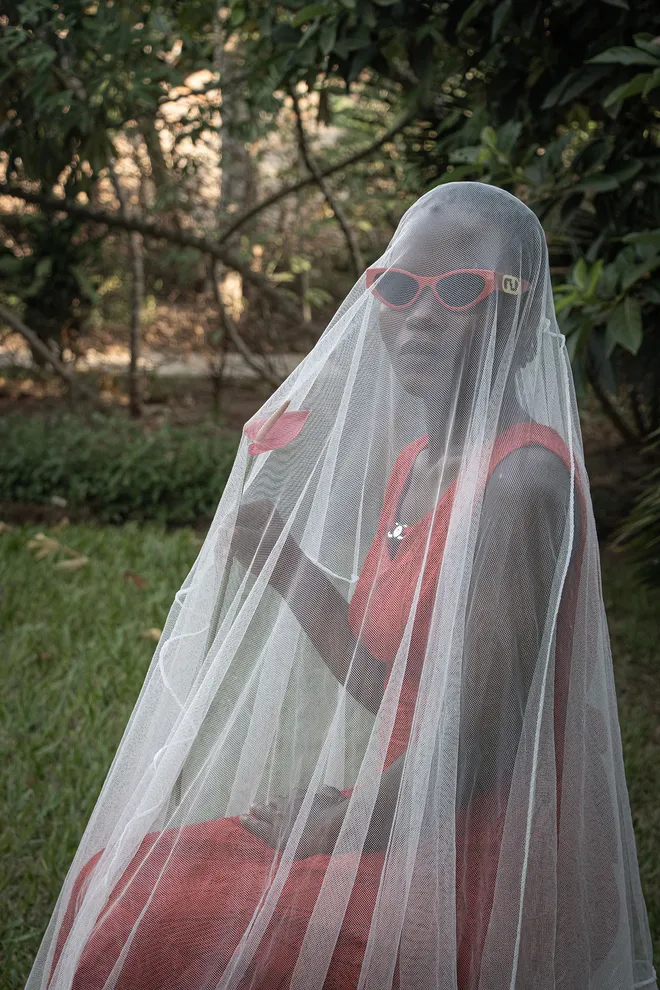
Born in Goma, in the eastern Democratic Republic of Congo, she draws inspiration from the everyday lives of people, observing them with deep sensitivity. Her images, marked by tenderness and symbolism, aim to show that despite hardship, loss, or the silences imposed by war and history, life persists. It resists, adapts, and transforms.

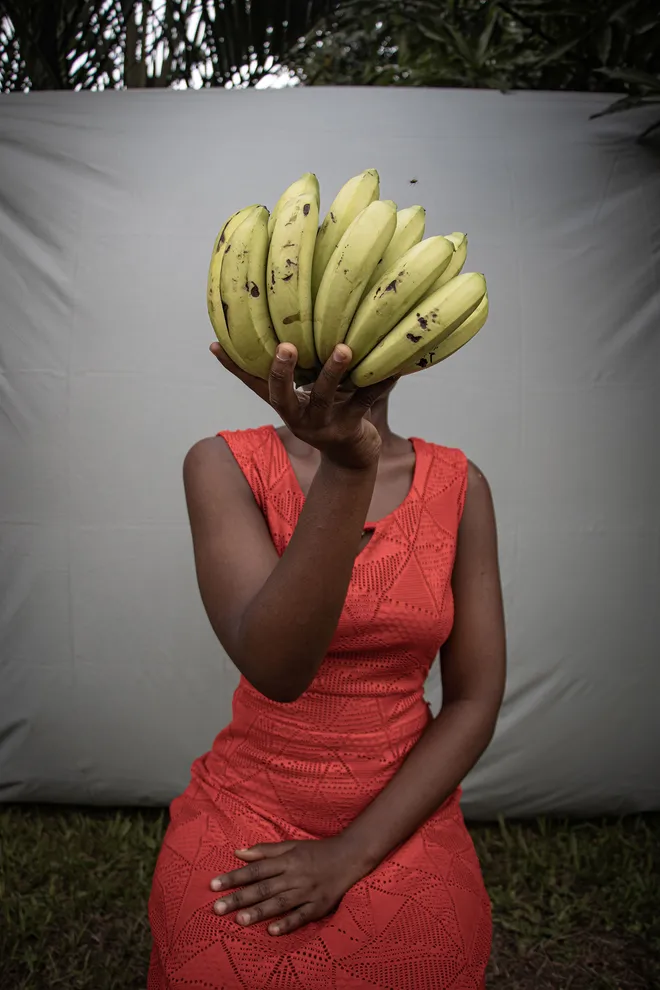
Esther N’sapu has developed several photographic projects focusing on women, post-colonial memory, and communities displaced by conflict. Her current series, “The Forgotten of Lwiro,” explores the fragile traces of memory within the old Center for Natural Science Research, which was built in 1947 by the Belgian colonialists, and honours those who once gave life to its walls. With a deeply human gaze, she builds a visual body of work that pays tribute to those who live, dream, and resist—often in the shadows, but always with dignity.

Esther N'sapu - International Congolese Photojournalist

How would you describe yourself in a few sentences?

I am a photographer guided by memory, silence, and everyday stories. Through my lens, I seek to capture the traces of emotion and history that are not always visible. I particularly enjoy photographing people in their daily lives — observing them, listening to them, understanding them, viewing them with an artist's eye that already imagines the stories their faces or gestures will tell.

When I photograph, I prioritise listening to people. I am fascinated by the way they open up to me: they tell me about their lives, their private lives, their sorrows and sufferings, but also their hopes and dreams for the future. These are often people who don't know me, yet they open up with astonishing trust. I can't forget that; it's a very powerful feeling I experience every time I photograph someone — this sincere and fragile human encounter that gives meaning to my practice.

For me, photography is a way of expressing myself, of existing fully. When I photograph women, children, or scenes from everyday life, I feel at home — happy, free, and deeply connected to my surroundings.

“... As I reported, I kept seeing powerful images — people, faces, and moments that I felt needed to be captured, not just described.”

How did you first get into photography? Was there a specific moment, person, or inspiration that sparked your passion for capturing images?

I first became interested in photography while working as a journalist. I was often sent into the field to collect stories and interviews, armed only with my recorder. But as I reported, I kept seeing powerful images — people, faces, and moments that I felt needed to be captured, not just described.

At first, I began taking small portraits and everyday scenes with my phone, sharing them on my personal blog. Little by little, this passion grew. I soon created my own website, started posting actively on social media, and eventually began collaborating with humanitarian organisations, companies, and international media.

My journey into photography truly began on the ground — with the eyes of a journalist, but the heart of someone moved by what she saw.

What type(s) of photography do you specialise in, and why did you choose this niche? How has your style evolved over time?

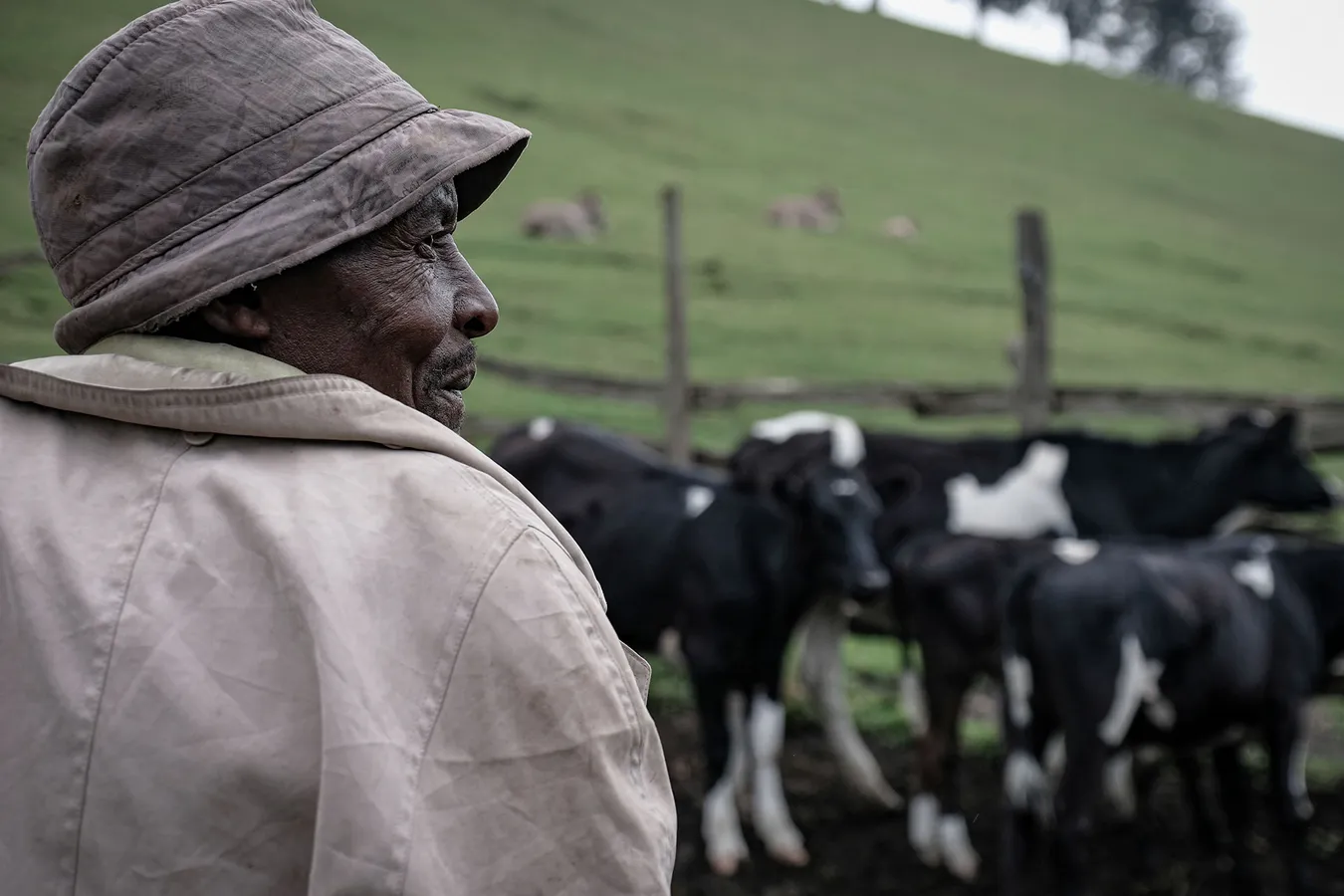
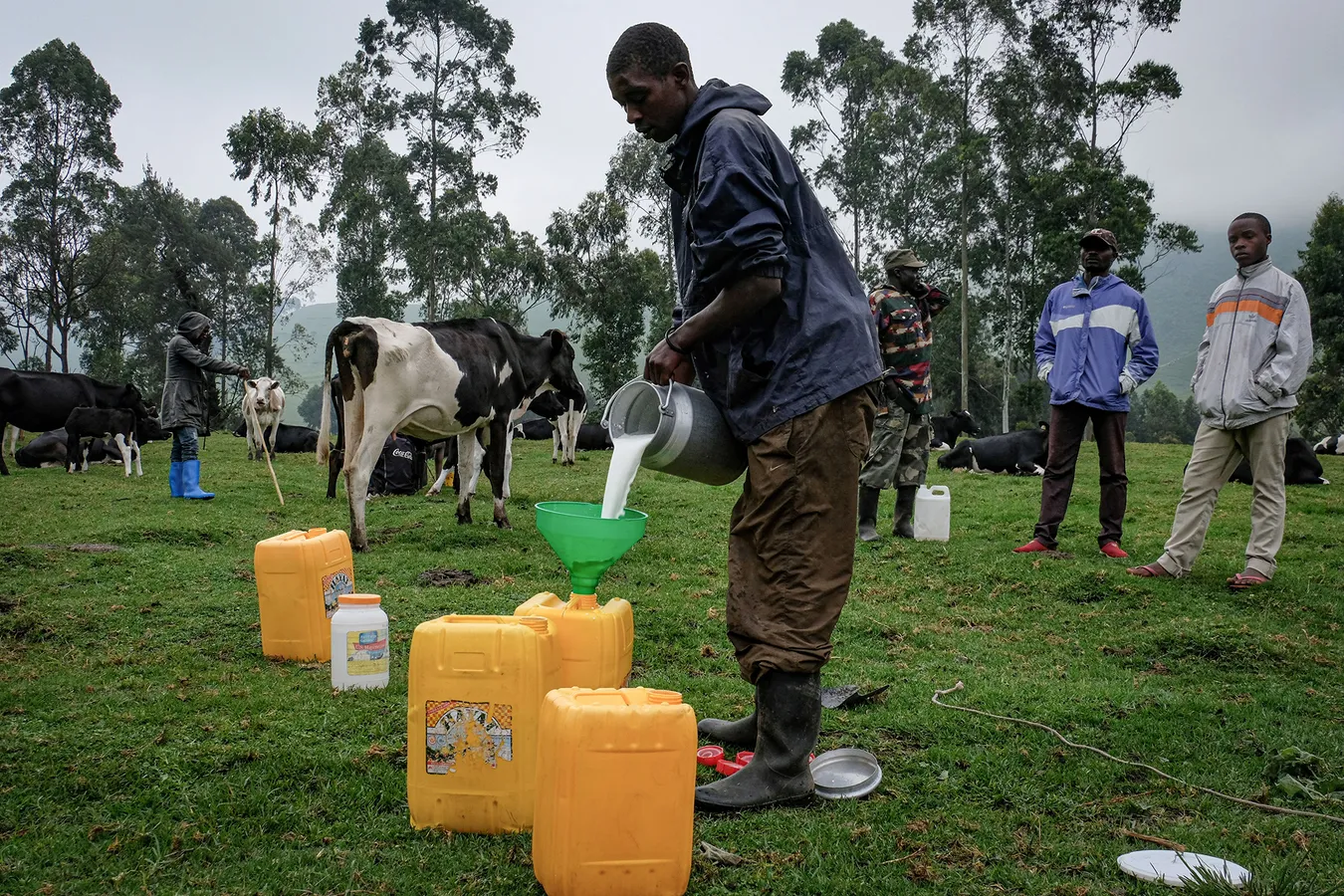
I specialise in humanitarian and documentary photography. My work often extends into people’s everyday lives — in the streets, markets, churches, and homes — capturing the gestures, glances, and moments that truly reveal who they are. I’m deeply drawn to ordinary life because it holds so many untold stories.

Over time, my practice has evolved to centre on themes of memory and culture. As I photographed people and listened to their narratives, I realised that memory and cultural identity are profoundly rooted in daily existence. This understanding has shaped my visual language — one that seeks to preserve traces of humanity, emotion, and history in every image.

Can you share the underlying themes or ideas that drive your photography?

I am a photographer who finds stories in everyday life. I capture people, moments, and places, focusing on memory, culture, and human connection.

“My work was part of an exhibition marking 30 years of conflict in Eastern Congo, enabling me to share the stories and resilience of those affected by war with an international audience.”

What's the one achievement or moment in your photography career that you're most proud of?

One of the moments I’m most proud of in my photography career was successfully realising two personal exhibitions — “Les Oubliés de Lwiro” and “Les Visages de l’Espoir” — in Bukavu and Kinshasa. For an emerging photographer, it’s not easy to photograph, exhibit projects, and find partners who trust your vision. Being able to achieve this was a huge milestone for me.

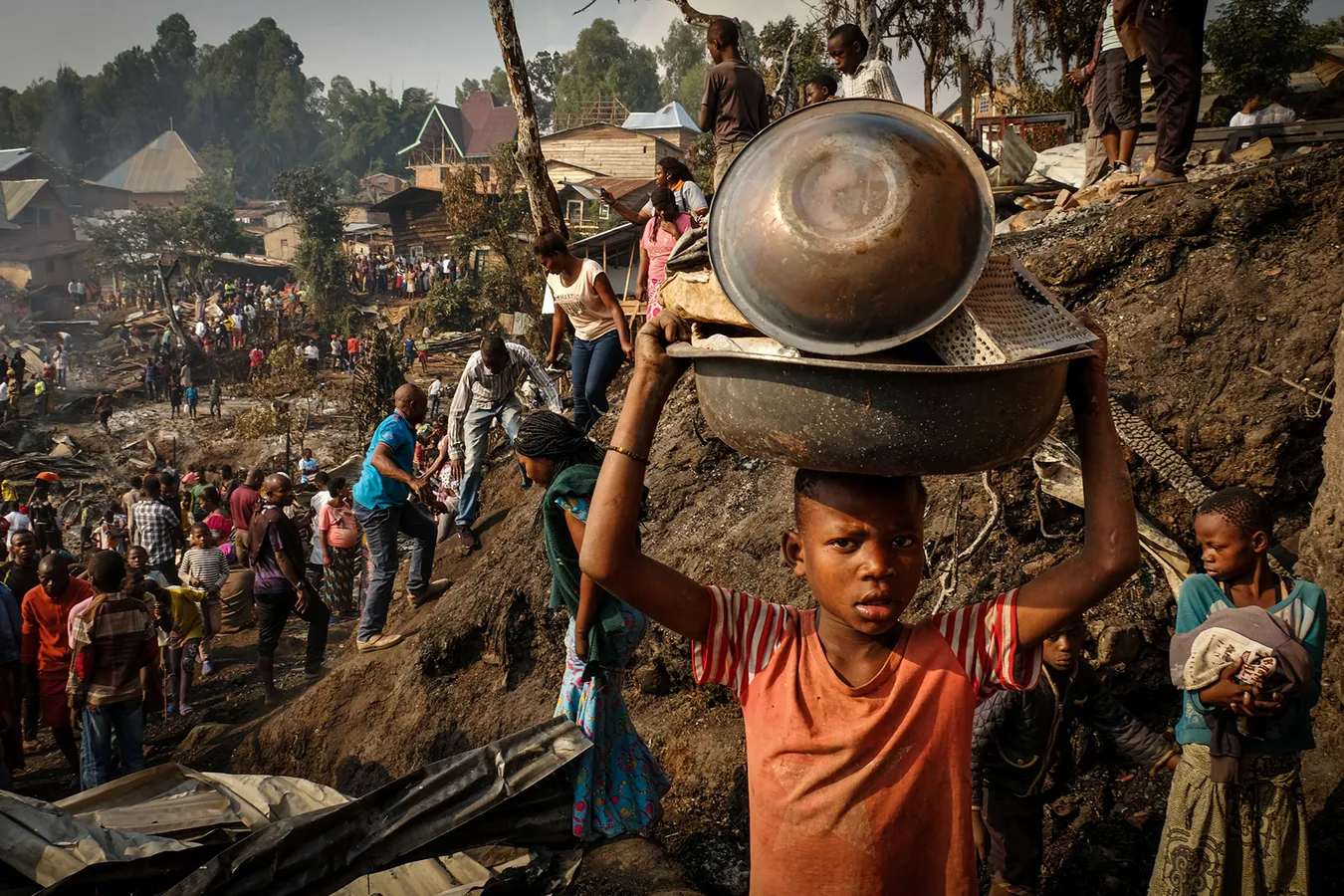
I was also deeply honoured to be invited to the Bayeux-Calvados-Normandie War Correspondents Prize 2024, where I exhibited as a photographer from Eastern Congo. My work was part of an exhibition marking 30 years of conflict in Eastern Congo, enabling me to share the stories and resilience of those affected by war with an international audience.

It was incredibly meaningful to show the world—and fellow photographers—the realities of this region. This experience brought me immense pride and joy.


“While I cannot put my life in unnecessary danger, I approach my work with determination and caution, making sure I respect my own safety.”

What's the biggest challenge you've faced as a photographer, and how did you overcome it? What did you learn from that experience?

As a photographer, and especially as a woman living in Eastern Congo, I’ve faced many challenges. Photography is still largely seen as a male profession; when people see a woman with a camera, they often question what I am doing or doubt my work. I have had to explain my vision repeatedly, and sometimes my skills have been underestimated or compared unfavourably to those of men.

On the field, I also face fears and real dangers. People often warn me: “Esther, don’t go there, it’s too insecure, there are armed groups.” While I cannot put my life in unnecessary danger, I approach my work with determination and caution, making sure I respect my own safety. There are challenges like insecurity, lack of clean water, and difficult conditions on the ground that test both my resilience and my ability to perform my work effectively.

I have overcome these challenges by focusing on my work, doing it to the best of my ability, and proving through action that photography is not just for men. Women, too, can create powerful and meaningful images. These experiences have strengthened my determination and shaped me into the photographer I am today.

If you could collaborate with anyone, who would it be and why?

If I could collaborate with anyone, it would be Alexis Huguet, a photographer working with AFP Photo. He is one of my favourite photographers and someone I deeply admire for his work in my region, especially his approach to photographing women and documenting conflict situations. His sensitivity, unique approach, and dedication to storytelling deeply inspire me, and I would be honoured to have the opportunity to collaborate with him.

What are your thoughts on the 54Ruum platform?

I recently discovered 54Ruum, and thanks to this platform, I have been able to explore the work of many African artists. I believe it has great potential because it opens doors for emerging African creatives who want to share their work. Platforms like this are incredibly important for photographers and storytellers, as they provide essential visibility, inspiration, and opportunities to connect with a wider audience.

“Photography and art in general are starting to take an important place in our society (DRC), serving as a way to express ourselves .. and our culture…”

How's the photography and art space in your country: how has it evolved in recent years?

Photography has grown significantly in the Democratic Republic of Congo. In the past, it was an unknown and undervalued field, but today we can see real progress. More and more young people are getting involved, and many new talents are emerging — including women photographers, which is very inspiring.

Photography and art in general are starting to take an important place in our society, serving as a way to express ourselves and to document our culture, our daily life, and our history. This evolution shows that photography in the Congo is undergoing a real transformation, driven by a passionate and creative new generation.

“Photography isn't just about pressing a button; it's about knowing how to look, feel, and tell a story through an image.”

If you could give one piece of advice to someone just starting their photography journey, what would it be?

The advice I would give to someone starting out in photography is to first learn to observe. Photography isn't just about pressing a button; it's about knowing how to look, feel, and tell a story through an image.

You have to be patient, practise a lot, and, above all, believe in your own vision. Every photographer has a unique way of seeing the world, and it's this difference that makes photography so beautiful.

SHARE THIS STORY

Discover photographers in Africa

Herve Shabani: Burundian documentary & photojournalism photographer featuring identity & community narratives | 54Ruum SpotlightMoctar Boubacar Thera: Malian portrait & Afro-centric photographer highlighting identity, culture & storytelling | 54Ruum SpotlightRayan Amu: Togolese portrait & editorial photographer exploring movement, memory & human stories | 54Ruum SpotlightTommie Ominde: Kenyan street & documentary photographer highlighting nostalgia, human connection & everyday life | 54Ruum SpotlightNondumiso Shange: South African editorial photographer exploring realism & culture | 54Ruum SpotlightJaiyana Chelikha: Moroccan–English street & documentary photographer exploring identity, belonging & cultural memory | 54Ruum Spotlight