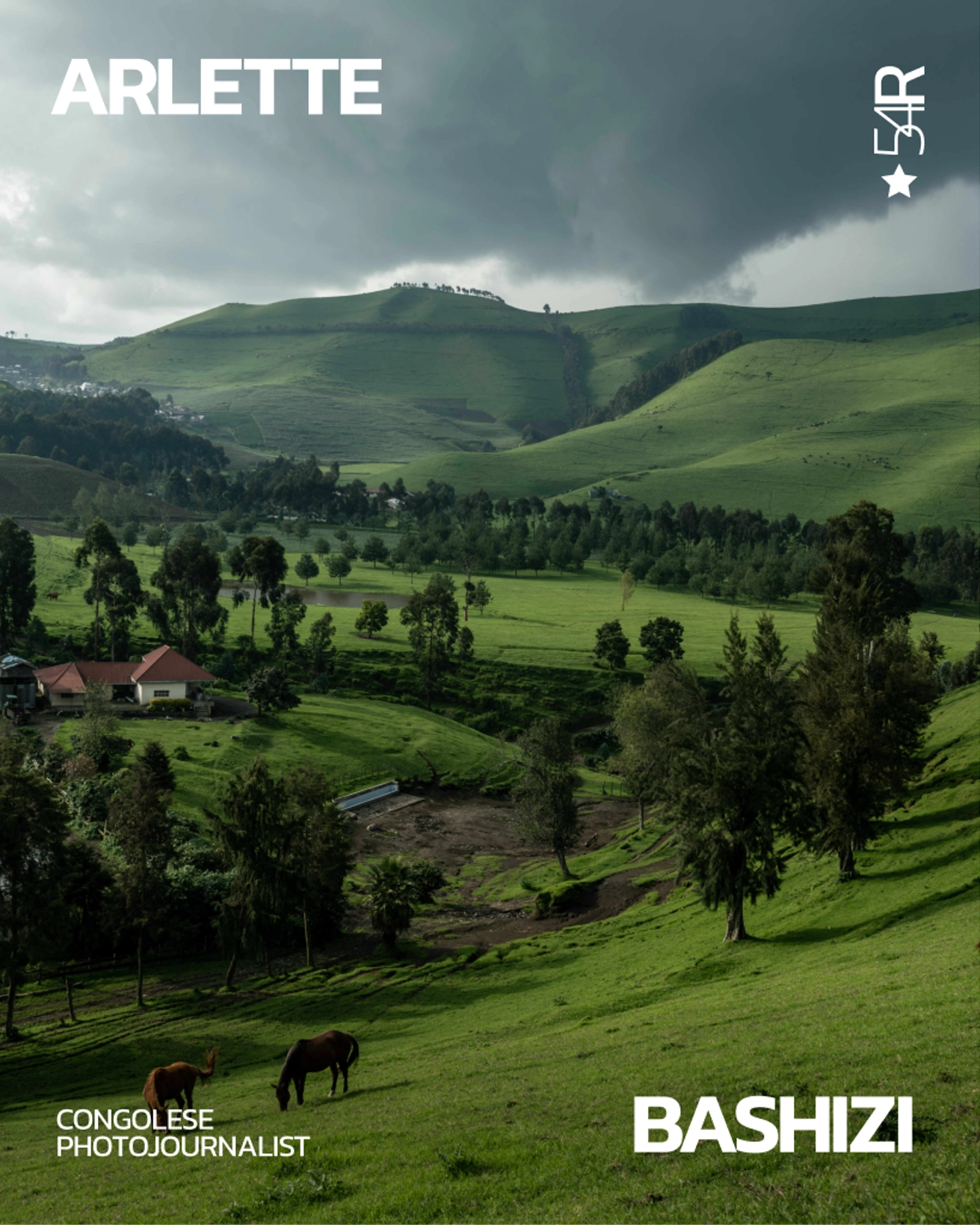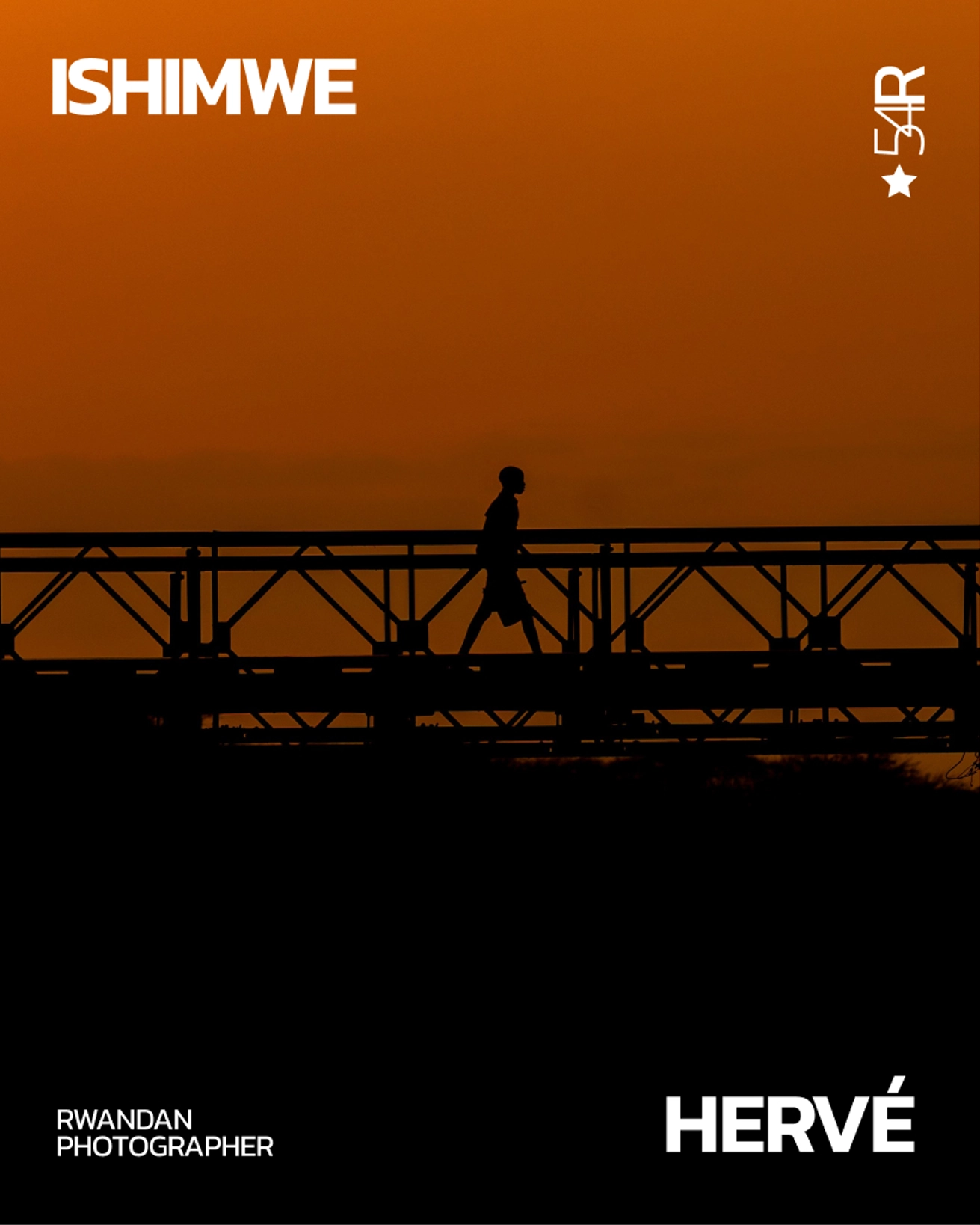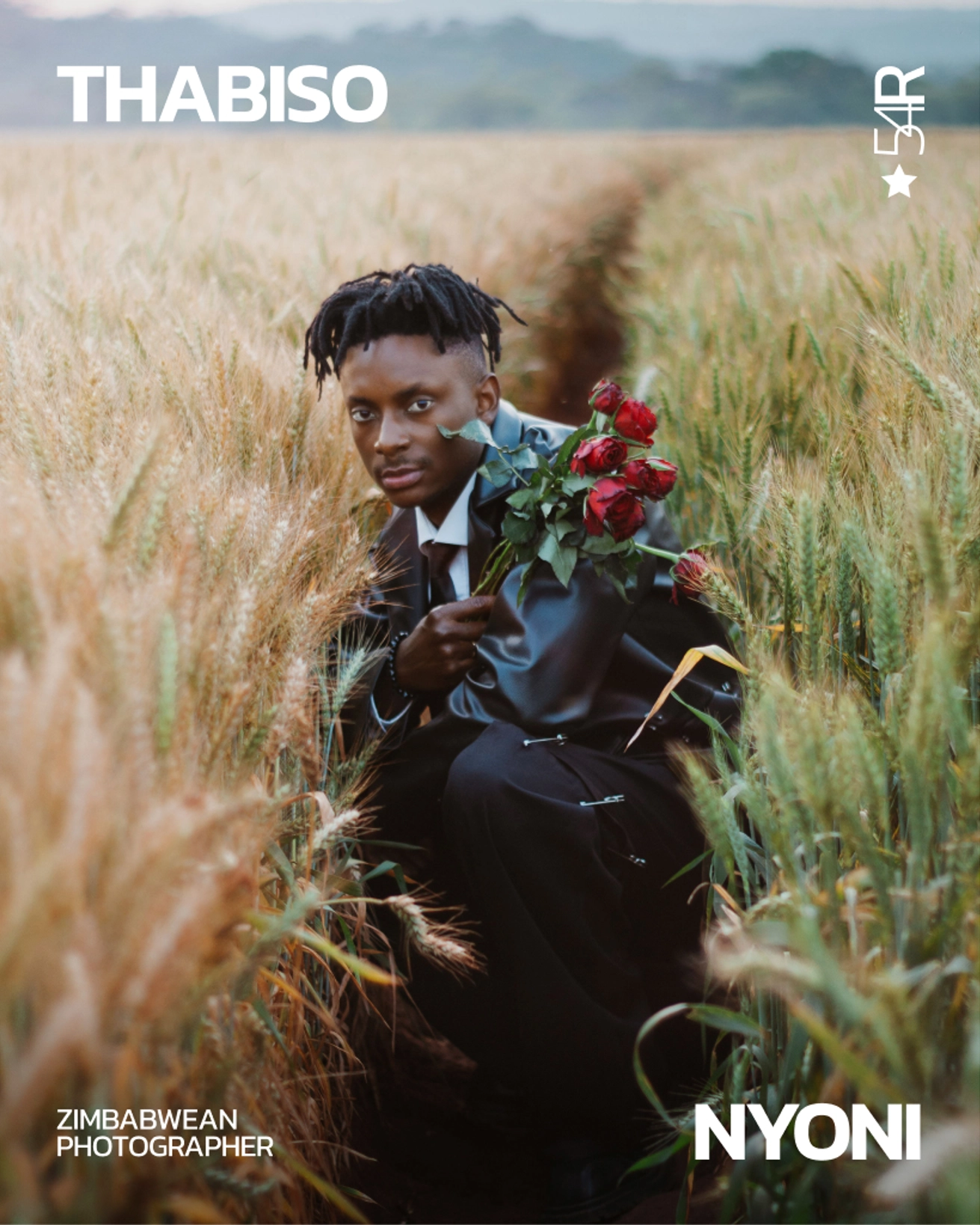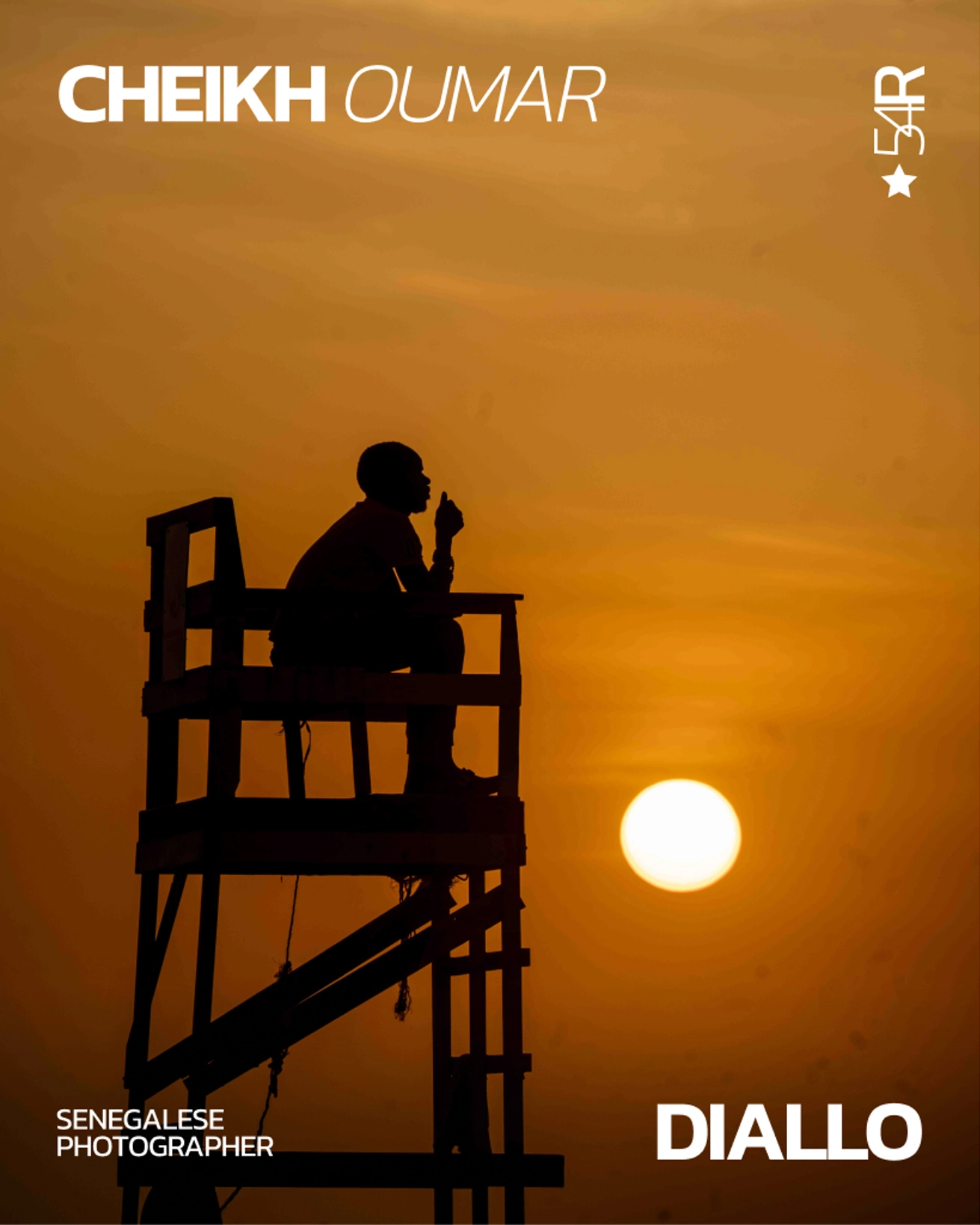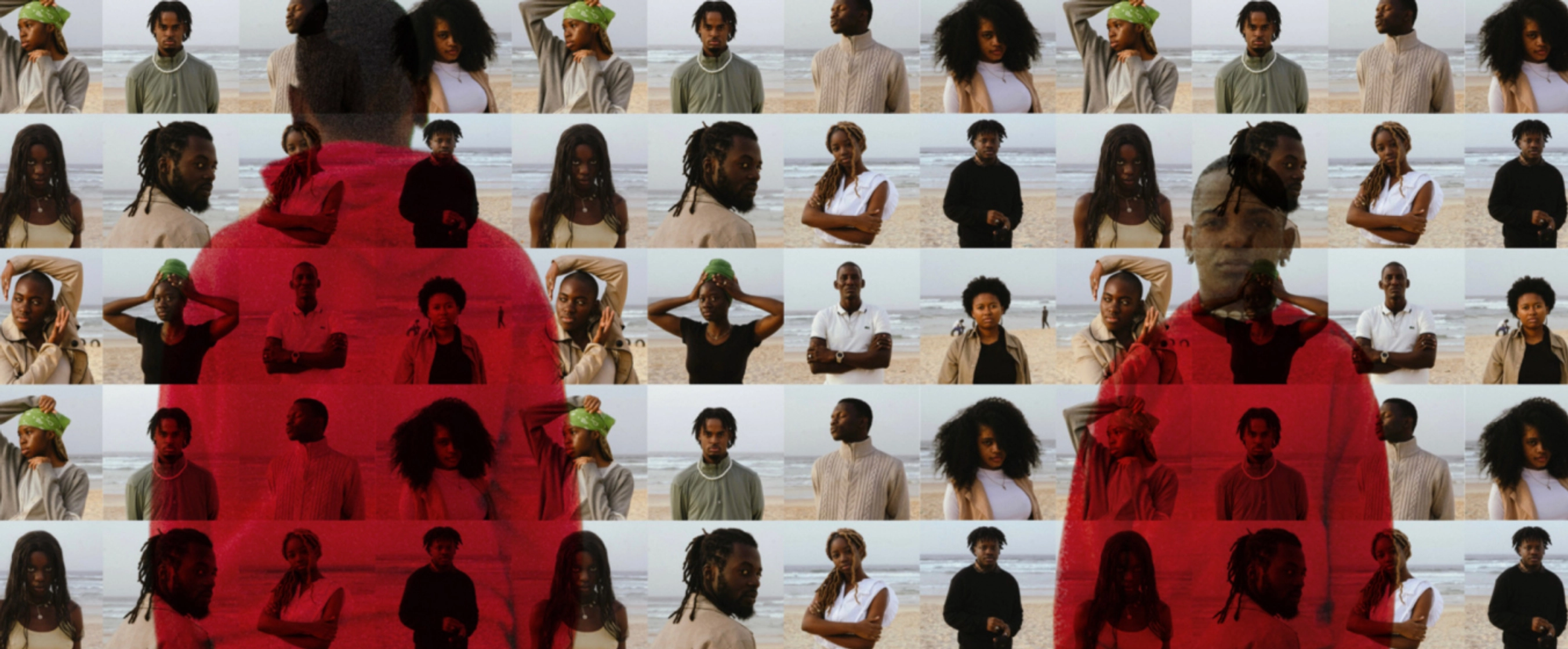
Rayan Amu: Togolese portrait & editorial photographer exploring movement, memory & human stories | 54Ruum Spotlight

3 mins read
Published2nd Dec, 2025

"I'm naturally curious, always enticed to experiment and try new things. That curiosity pushes me to explore my full artistic potential, no matter the medium; it's all part of the adventure."

Rayan Amu is a Togolese photographer based in Dakar, Senegal. His artistic journey began in childhood and was largely shaped by his father, a painter, who introduced him early to drawing, colour, and visual creativity. Rayan was initially drawn to cinema, illustration, and painting. Later, he taught himself photography after completing college.

After earning his higher education degree, he embarked on a personal creative exploration of Dakar, a city he cherishes for its rich cultural energy and the inventiveness of its people. There, he developed his voice through editorial photography while engaging deeply with the city's lively community of artists and creatives. These exchanges, collaborations, and shared experiences became a key part of his education and fuelled his artistic growth over the years.

Today, Rayan's practice continues to bridge photography, film, and visual storytelling, shaped by his multidisciplinary influences and the dynamic cultural landscape of Dakar.

Rayan Amu - Togolese photographer

How would you describe yourself in a few sentences?

I'm naturally curious, always enticed to experiment and try new things. That curiosity pushes me to explore my full artistic potential, no matter the medium; it's all part of the adventure.

How did you first get into photography?

I got into photography in 2020. When I returned to Senegal, I was amazed by the colours, the landscapes, and the people, so I started taking pictures and videos with my iPhone 5s. Then I found out there was a photography club in my college. I joined them, and I bought my first camera, a Canon 1200D. That's how it all began.

What type(s) of photography do you specialise in, and why did you choose this niche? How has your style evolved over time?

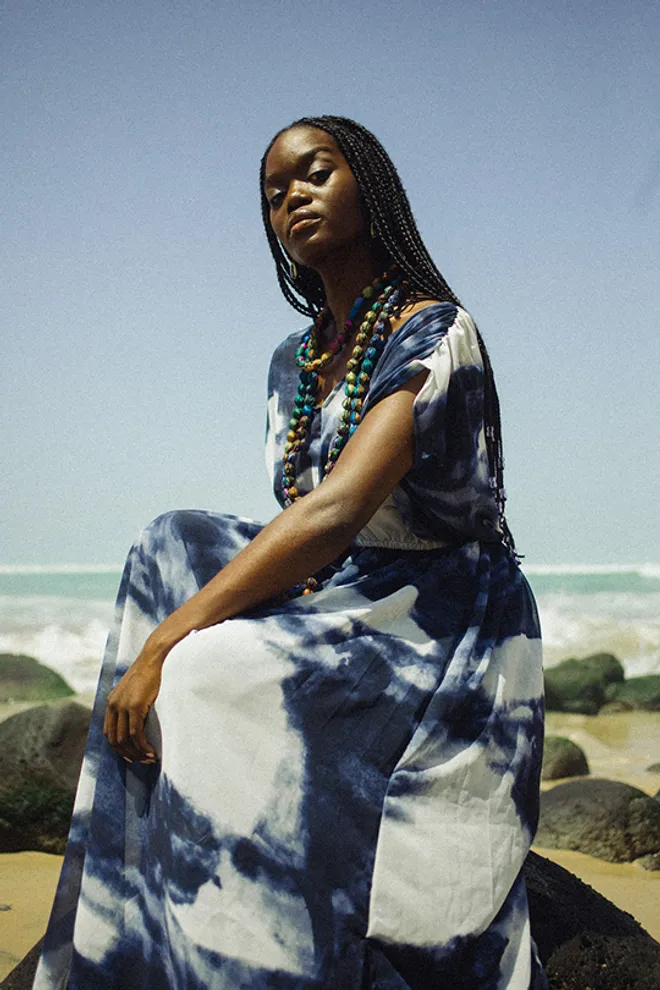
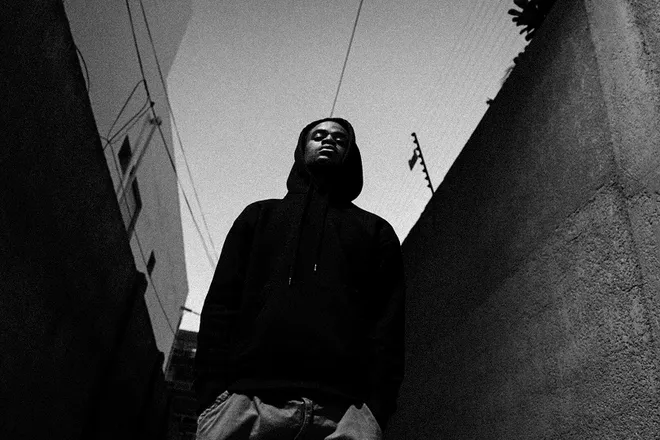
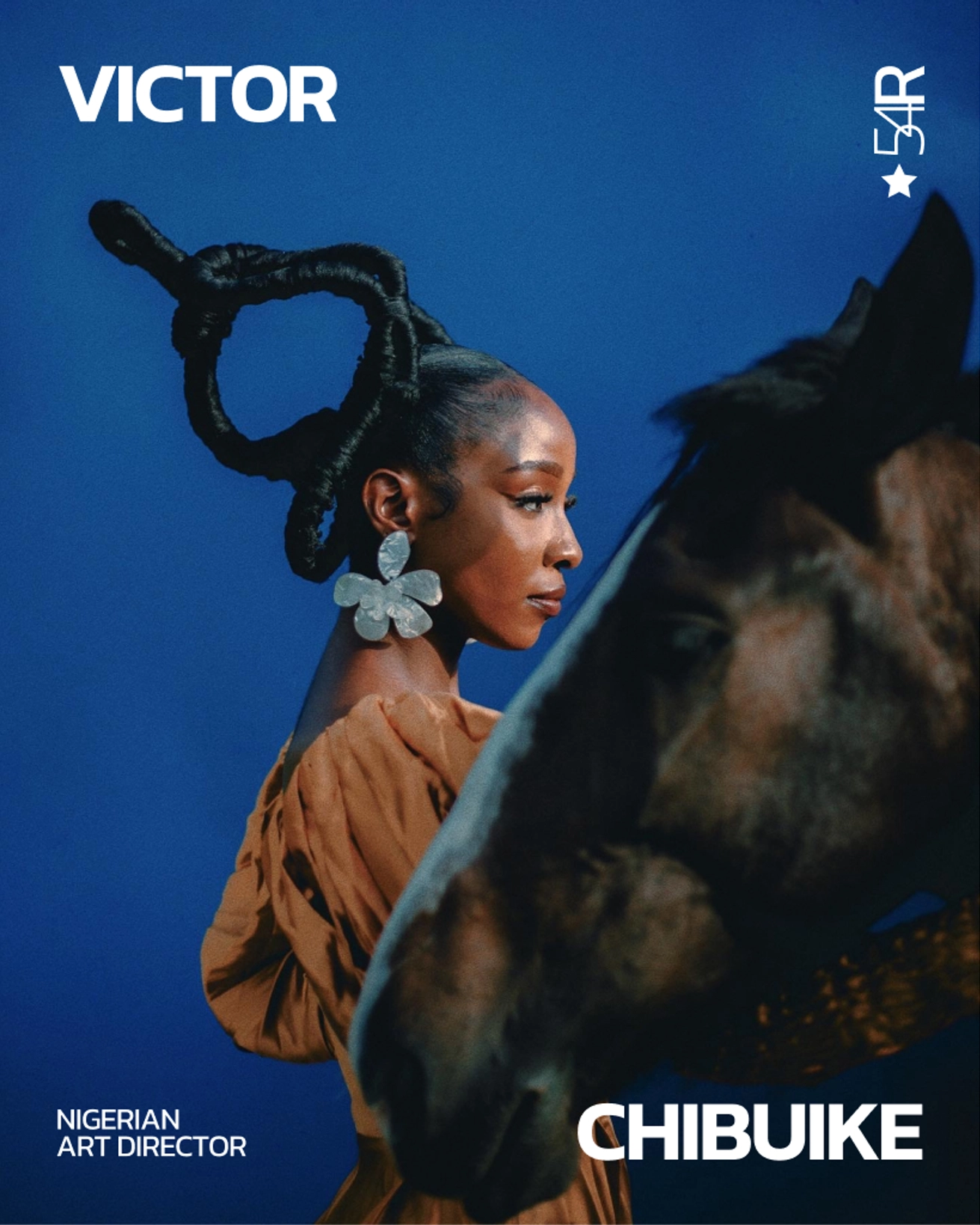
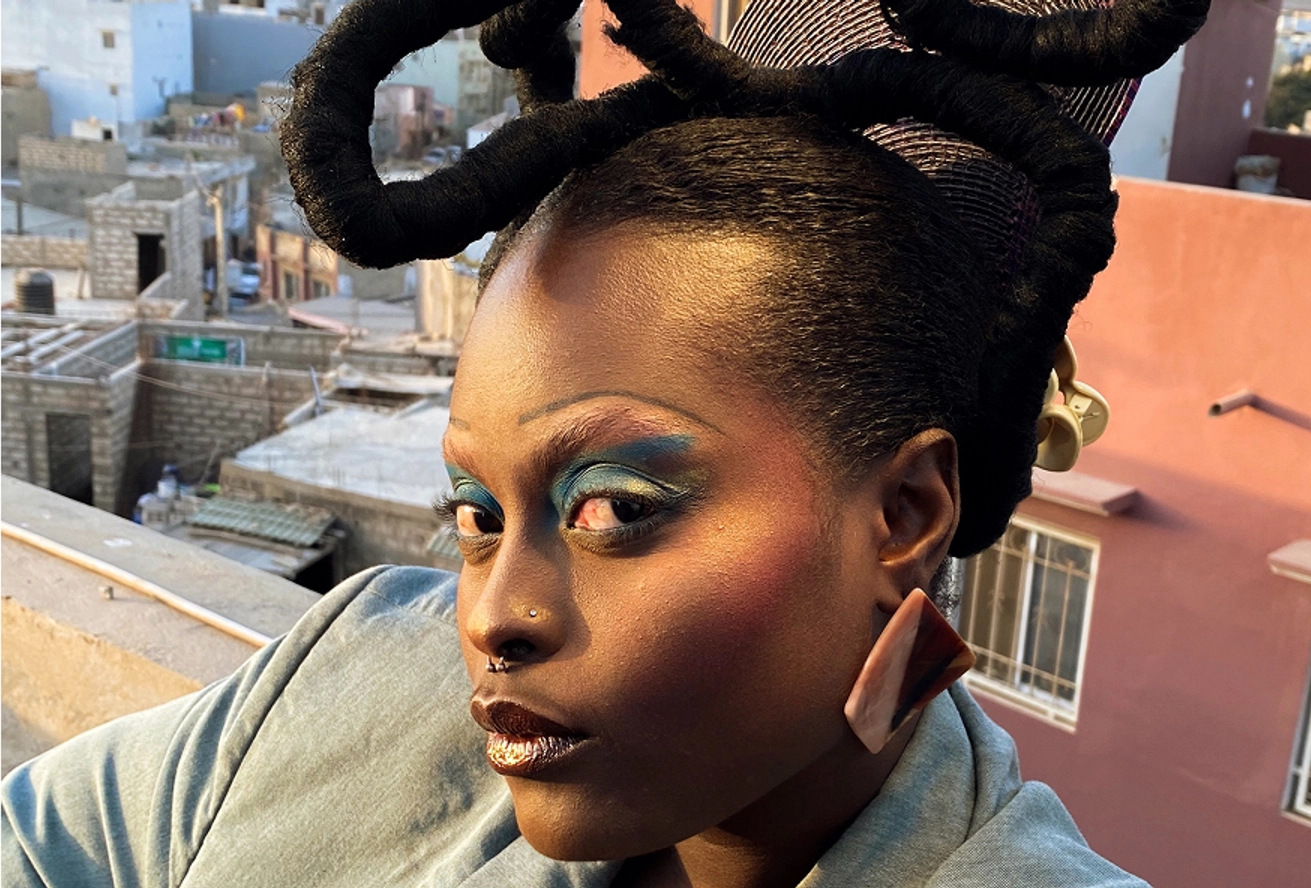
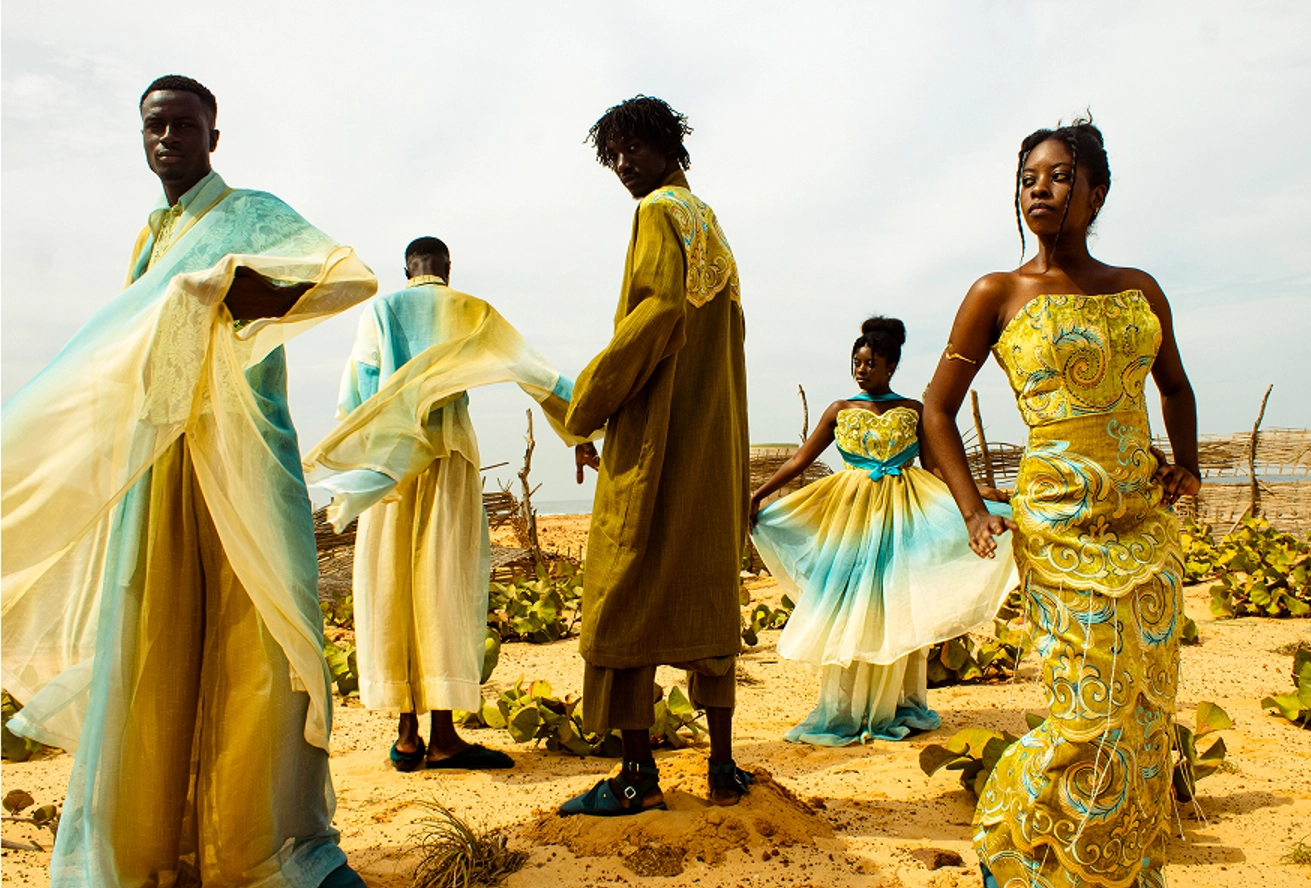
I mostly specialise in portraits because I like telling and listening to human stories. Beyond that, I also feel that the environments I place my models in are part of the stories.

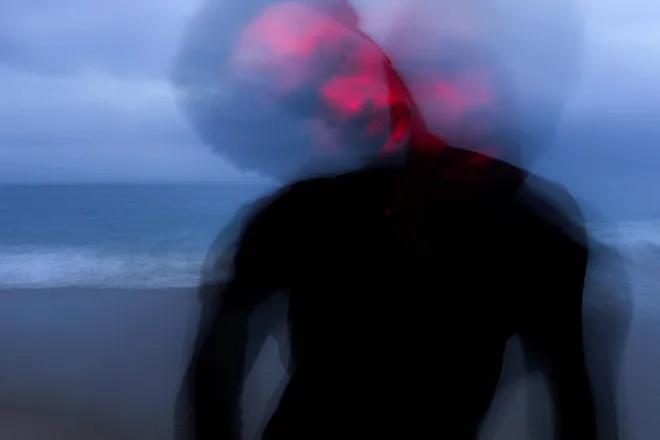
Over time, I've become more conscious of the power of light in shaping how an image is interpreted. I used to focus on making my models pose, but now I prefer them to live, to move.

"I used to focus on making my models pose, but now I prefer them to live, to move. I also feel that the environments I place my models in are part of the stories."

Can you share the underlying themes or ideas that drive your photography?

My work in photography and filmmaking investigates the human experience through the lens of movement, spatial awareness, and inherited memory.

I am interested in how the body becomes a site of history—how gestures, posture, and physical presence can reveal the emotional and ancestral forces that shape us long before we understand them intellectually.


What's the one achievement or moment in your photography career that you're most proud of?

For me, bringing something from my mind into real life is an achievement. I've worked with local brands and models, but nothing is more important than creating for myself.

"My work investigates the human experience through the lens of movement, spatial awareness, and inherited memory... how gestures, posture, and physical presence can reveal the emotional and ancestral forces that shape us."

What's the biggest challenge you've faced as a photographer, and how did you overcome it?

My biggest challenge was developing my technical skills. I had the imagination and vision, but I needed to learn how everything truly worked.

Teaching myself photography meant putting in the time to understand each tool, each setting, and each step of the process. Over the years, I pushed myself to master the craft so that my ideas could finally take shape as I imagined.

If you could collaborate with anyone, who would it be and why?

There are so many names, but if I had to choose one right now, it would be Shawn.

What are your thoughts on the 54Ruum platform?

It's important to shine light on African creatives, and 54Ruum is doing a fantastic job with that.

How's the photography and art space in your country: how has it evolved in recent years?

The photography and art scene in Senegal has grown rapidly in recent years. Dakar has become a central cultural hub in West Africa, with galleries, residencies, and festivals creating visibility for emerging and established artists.

Events like the Biennale de Dakar, new independent art spaces, and a strong youth-led creative movement have encouraged experimentation in photography, film, and mixed media.

If you could give one piece of advice to someone just starting their photography journey, what would it be?

Just be yourself, and collaborate with others. The only thing that can stop you is overthinking.

Credits

Photography

Rayan Amu

Text

Seyi Awokunle, Lead Editor, 54Ruum

Photo Curation

Guvnor

SHARE THIS STORY

Discover photographers in Africa

Herve Shabani: Burundian documentary & photojournalism photographer featuring identity & community narratives | 54Ruum SpotlightMoctar Boubacar Thera: Malian portrait & Afro-centric photographer highlighting identity, culture & storytelling | 54Ruum SpotlightTommie Ominde: Kenyan street & documentary photographer highlighting nostalgia, human connection & everyday life | 54Ruum SpotlightNondumiso Shange: South African editorial photographer exploring realism & culture | 54Ruum SpotlightJaiyana Chelikha: Moroccan–English street & documentary photographer exploring identity, belonging & cultural memory | 54Ruum SpotlightIbrahima Ndoye: Senegalese photographer & filmmaker exploring intimacy, memory & everyday humanity | 54Ruum Spotlight