Moctar Boubacar Thera: Malian portrait & Afro-centric photographer highlighting identity, culture & storytelling | 54Ruum Spotlight

5 mins read
Published3rd Dec, 2025

"I aspire to celebrate African culture through subtle, impactful details—using colours, textures, expressions, hairstyles, and moods that honour who we are without resorting to clichés."

Moctar Boubacar Thera is from Mali and is currently pursuing his studies in Ottawa, Canada. He has always possessed a creative instinct, even before he recognised the term "creative" or understood that it could define a profession.

His artistic identity is Smylle, a name derived from "smile." He chose this name as a constant reminder that positivity and happiness are essential for life, successful social interaction, and maintaining self-confidence when facing challenges. The name actually originated after a failed wall art brand he attempted to launch, this experience unexpectedly sparked his true passion.

Initially, Moctar and his cousin diligently developed a motivational brand, envisioning Nike-style advertisements complete with hats, custom visuals, and inspirational storytelling.

However, they lacked the necessary budget and equipment to shoot these ads, the situation changed when his father gave him his old camera. This pivotal moment when his father passed down his camera to him marked the true beginning of his journey and his friends became his first subjects. Moctar believes that every person holds a unique story, energy, and quality, and his mission is to capture that essence through his lens.

His goal is to evoke genuine feelings in people. He desires to make an impact on his own terms, setting himself apart from others who simply take and post pictures.

Moctar Boubacar Thera - Malian photographer

He is committed to excellence and continually improves with every project he undertakes. His intention is to leave a significant, sincere, and deliberate mark, even if it is a subtle one.

Crucially, he dedicates unlimited time to his craft. His first professional experience was through volunteering, where he cultivated discipline, consistency, and a profound love for the work.

For Moctar, creating films is not just an objective; it is his entire vision. While he is currently a photographer, he sees himself as a director in development. He aspires to construct a unique perspective and way of viewing the world.

His ultimate ambition is to achieve recognition through his creations, hoping his name becomes synonymous with a specific style, emotion, and visual language. He does not seek merely "to be a player in the industry"; he intends to establish a lasting imprint, proceeding quietly and at his own deliberate pace. His focus is not on generating buzz but on achieving longevity.

How would you describe yourself in a few sentences?

I am a highly driven individual with an all-or-nothing approach; whenever I commit to a project, I go in headfirst and relentlessly pursue the outcome I want.

Most of my early photography subjects were my own friends, whom I convinced to model for me. This determination even extends to unconventional means: I once forced my way into a concert to get shots—and it worked so well that the manager later reposted my photos.

While I am still a student, my artistic focus is dual: I am a photographer interested in filmmaking and directing.

"My goal is no longer just to take a "nice picture," but to build a mood, reveal a character, or construct a small world within the frame so the viewer feels something."

How did you first get into photography?

My entry into photography was sparked by a failed entrepreneurial attempt with my cousin. We were working hard to build a brand inspired by Nike-style ads, complete with hats, visuals, and inspirational storytelling.

We lacked the budget and, critically, a camera to shoot the ads. Everything changed when my father handed down his camera to me. That moment is where my photography journey truly began.

What type(s) of photography do you specialise in, and why did you choose this niche? How has your style evolved over time?

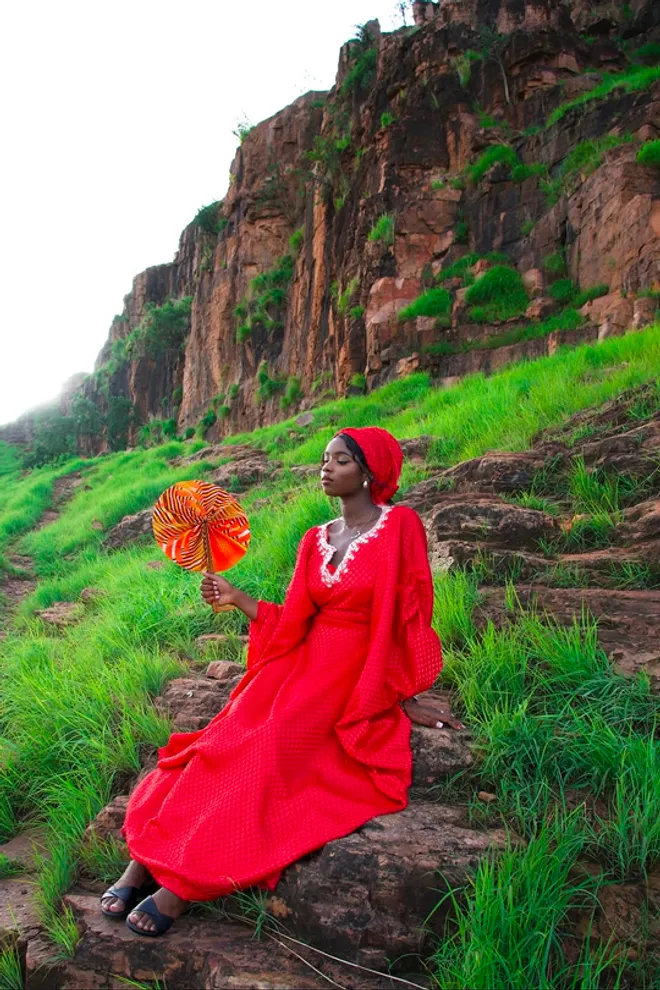
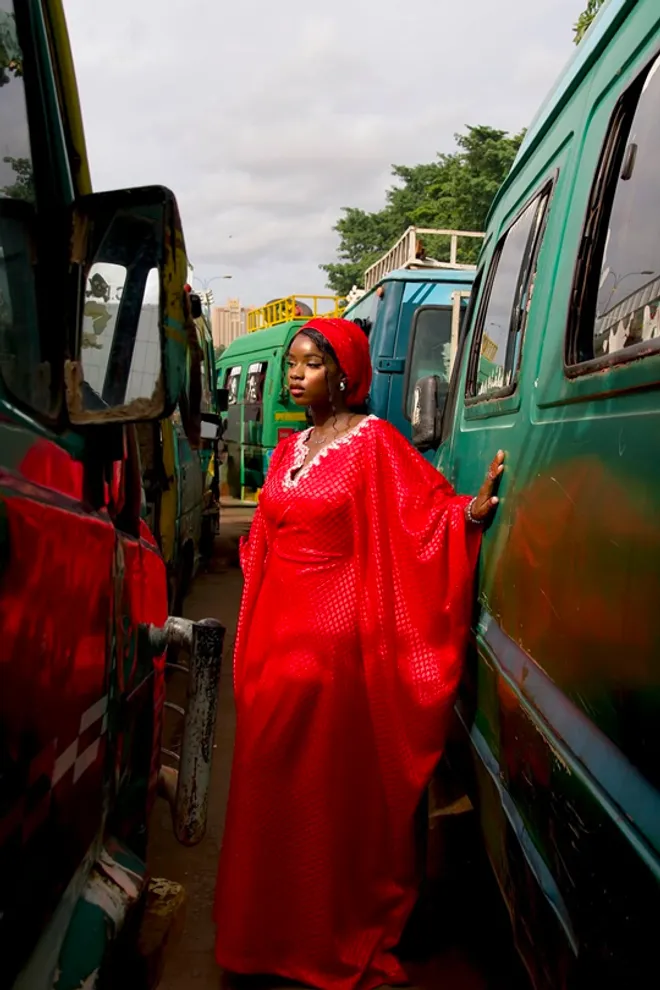
I specialise in streetwear photography, portraiture, and cinematic visuals. I was naturally drawn to these styles because they are the most effective way for me to capture energy, identity, and emotion.

Since most of my early models were friends, I developed a raw, authentic approach where the subject's comfort and trust are paramount.

Over time, my style has significantly evolved from simple portrait shots to story-driven visuals. I have become much more intentional with composition, colour grading, and symbolism.

My goal is no longer just to take a "nice picture," but to build a mood, reveal a character, or construct a small world within the frame so the viewer feels something. This evolution also includes a conscious focus on representing my culture: Afro aesthetics, African identity, and the beauty of women, all while staying true to my personal values.

I've engaged with filmmaking and directing, this cinematic influence has pushed my photography further. Now, every photo I take feels like a powerful still from a film—loaded with emotion, movement, and meaning.

Can you share the underlying themes or ideas that drive your photography? How do you use your images to connect with others?

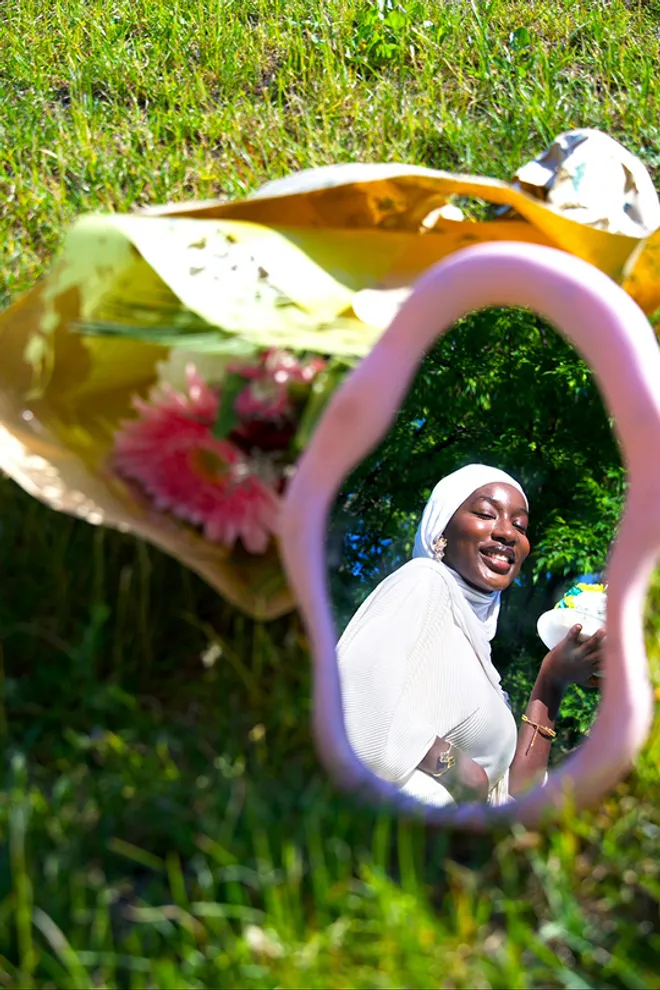
The core themes driving my photography are authenticity, natural expression, identity, and raw emotion. I am inspired by the stories people carry and the profound way those stories can be communicated through a single image.

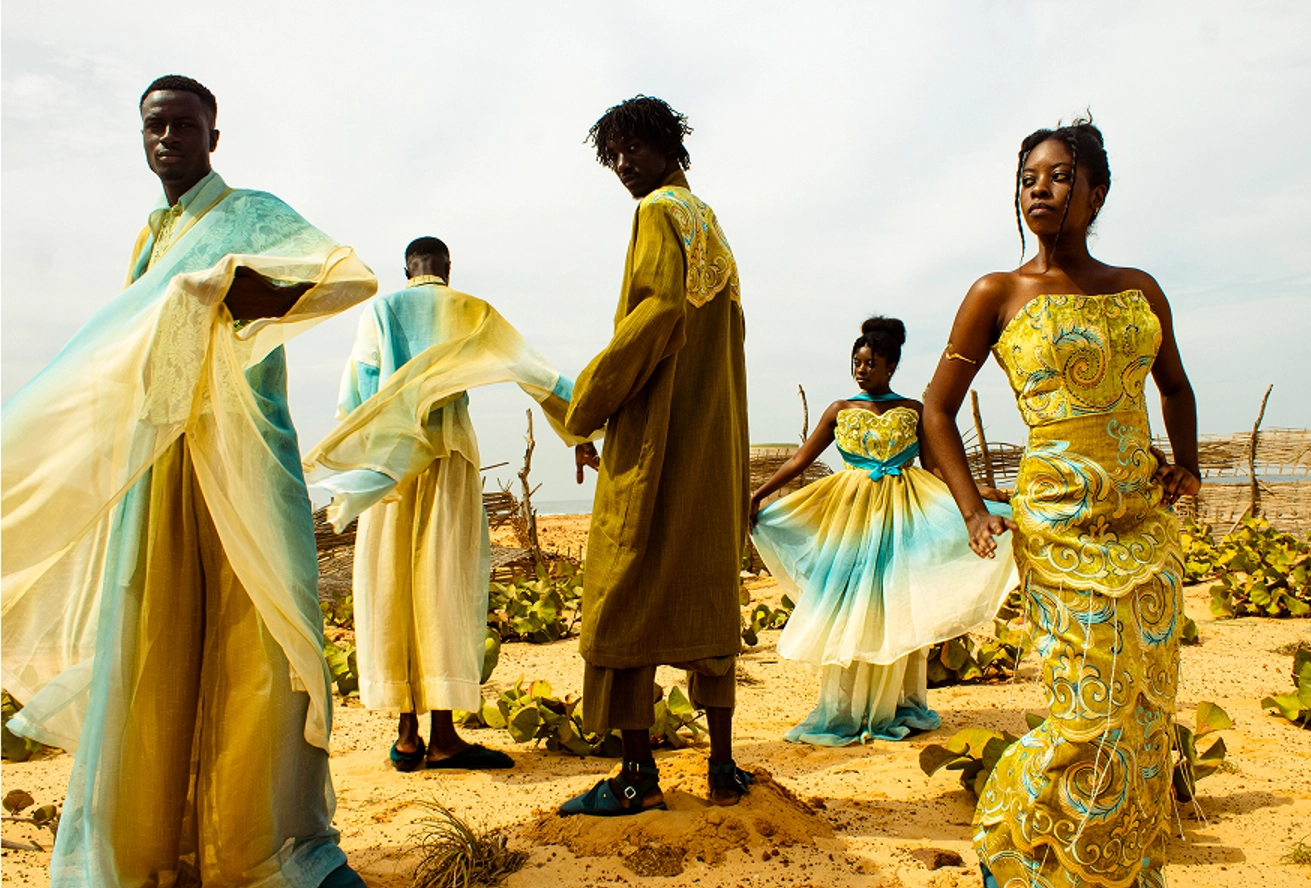
Even for a themed shoot, such as jersey streetwear, I select people who are connected to that world, as they naturally communicate its energy and colours. This reveals my greatest inspiration: the beauty of people, their innate identity, and the emotions they embody.

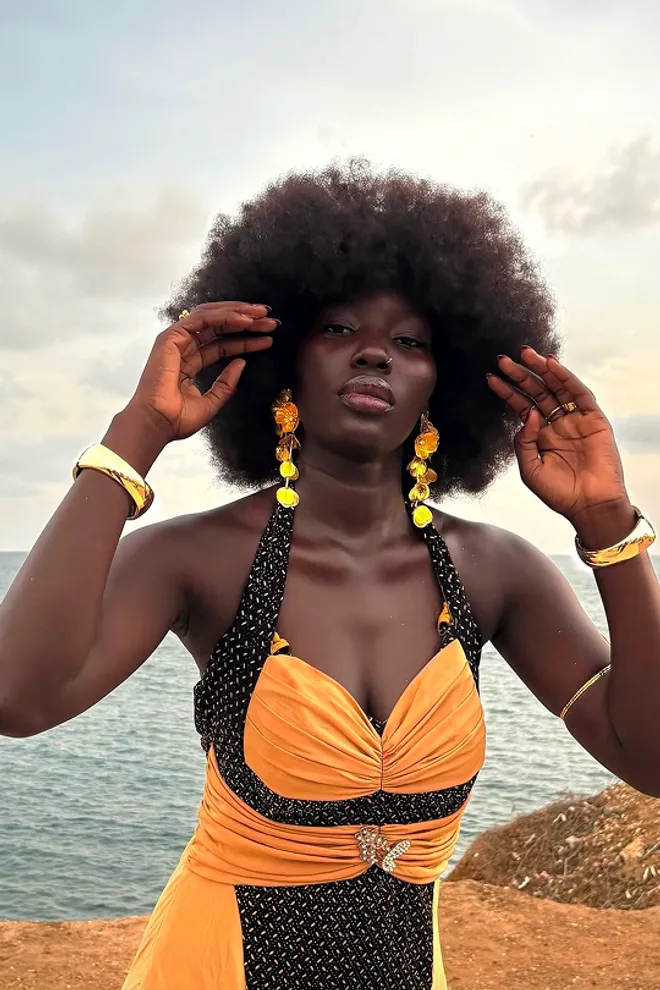
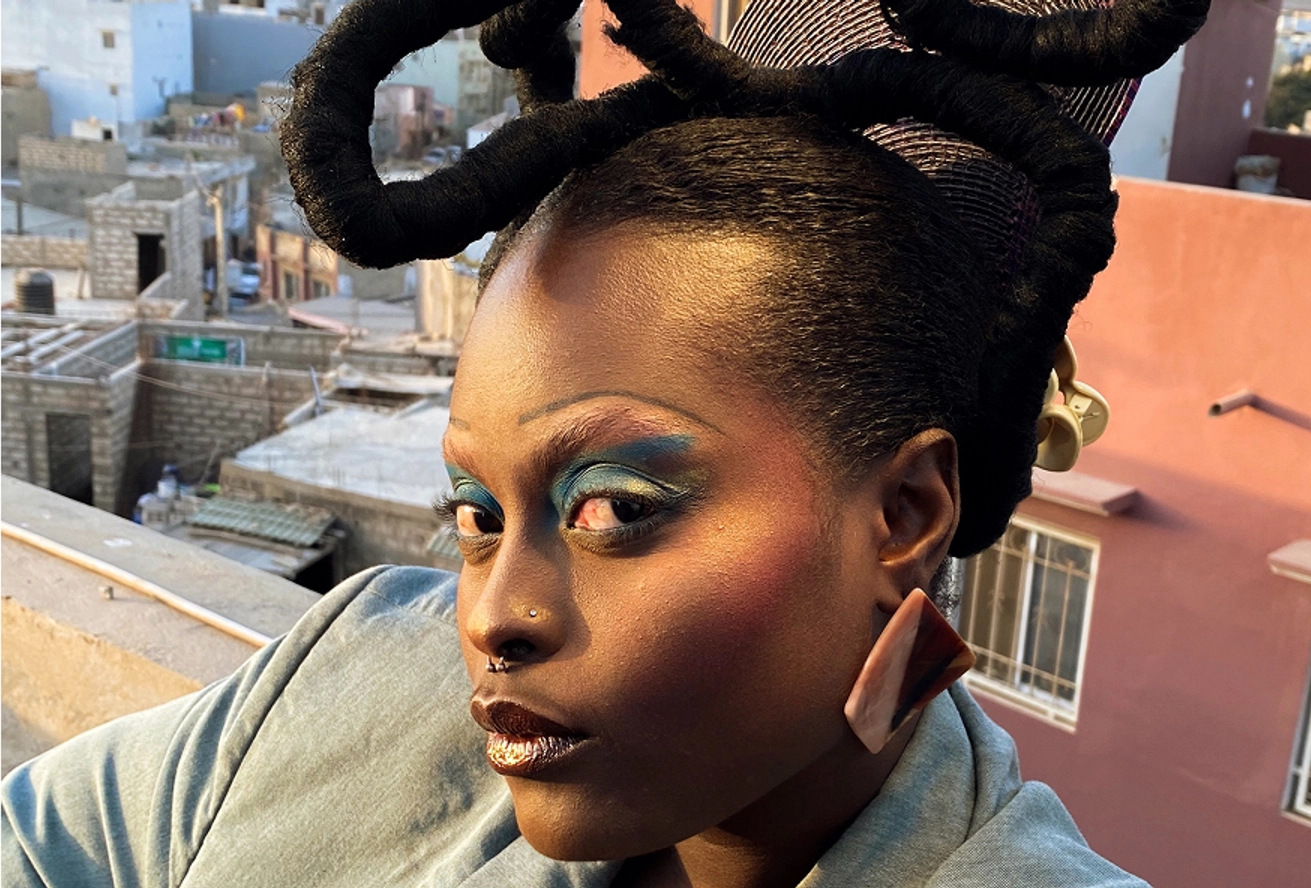
I aspire to celebrate African culture through subtle, impactful details—using colours, textures, expressions, hairstyles, and moods that honour who we are without resorting to clichés.

I love intense, direct eye contact in my photos because it fosters a more profound connection; it invites the viewer to understand the silent message the subject is conveying.

Finally, beyond the subjects themselves, I am driven by the idea of representing Smylle—the artist behind the work, the "poet of images." This personal theme underpins everything I create. Through the lens of others, I ultimately strive to tell my own stories.

What's the one achievement or moment in your photography career that you're most proud of?

I am consistently proud of my work and the artist I am becoming. However, three specific moments stand out as true markers of pride:

  1. Landing a Job Through Initiative: I volunteered at a soccer tournament to take photos and videos, simply by showing up and offering my services. This effort directly led to me becoming a content creator for the French journal La Rotonde. This moment cemented the importance of presence, effort, and consistency.
  2. The Power of Storytelling: Directing the documentary "Les Transmissions Invisibles" was a transformative experience. The project explores Black heritage and the invisible transmissions—the values, cultures, and practices—that are passed down through communities. Creating that film made me fully realise the deep power of storytelling.
  3. External Validation: The moment @nwe published my art on their page made me feel genuinely accomplished. It felt like my work was finally being seen and appreciated outside of my immediate circles. It may seem small to others, but it was a massive step for me.

Ultimately, these experiences confirmed that this is my passion and who I am. Though I am still at the beginning of my career, these milestones motivate me to work harder and leverage my strengths for my community.

What's the biggest challenge you've faced as a photographer, and how did you overcome it? What did you learn from that experience?

The challenge I have faced has always been figuring out how to achieve financial sustainability from my art. As the primary creator, I rely on only a few client calls, spending the majority of my time on self-initiated projects.

The question remains: How do I live by my art? How do I make it a stable and honourable source of income? And how do I use it to contribute meaningfully to the world? These are complex issues I am still navigating.

In today's environment, art is easier and more accessible than ever, with beautiful work saturating every platform. So, the question of how to stand out becomes central.

One thing is clear: I will not succeed only by changing who I am. I understand I must focus on growth, maintain consistency, and firmly trust my unique vision. I simply have to keep working, keep refining my skills, and stay true to my core identity—because that is the one element no one else can replicate.

If you could collaborate with anyone, who would it be and why?

If I could collaborate with anyone, it would be Santan Dave. He is an exceptional and unique British artist whose deep personal story deserves wider recognition. For me, he is less of a traditional inspiration and more of a figure for profound reflection. His writing is raw and emotionally resonant, which is what I admire most. Coupled with his clean sense of style and powerful storytelling ability, he would be an ideal collaborator.

I would also love to work with Brut Afrique, a media platform that perfectly captures the current generation's needs in terms of information, visuals, and format:

Collaborating with them on documentaries about global topics and youth issues would be a dream — using my visual perspective to speak about what truly matters.

Finally, I would be honored to work with Ryan Coogler, the director behind Creed and Black Panther, who is reportedly working on a film about Mansa Musa. His artistic choices are incredibly inspiring. It would be an immense opportunity to work alongside a professional of his caliber to truly understand the science behind his craft—his approach to storytelling, composition, and creative direction.

What are your thoughts on the 54Ruum platform?

What 54Ruum is doing is absolutely fantastic — giving visibility to the people behind the craft is a truly humble and deeply appreciated gesture — I have immense respect for that.

It is one of the main reasons I am here today. I think 54Ruum is doing an amazing job. I would be fascinated to understand the logistical coordination behind the scenes — how you manage to organise competitions, review applications, and handle all the unseen work.

It would be incredible to see short films or documentary features where you follow artists on their production or photography sets, and then showcase the final results. I believe that kind of behind-the-scenes content would be hugely inspirational for many creatives like me.

"Just as soccer once offered a pause in conflicts, art possesses the power to inspire, unite, and ultimately transform society."

How's the photography and art space in your country: how has it evolved in recent years?

Mali possesses a rich photographic heritage, thanks to legends like Seydou Keïta and Malick Sidibé, whose iconic portraits of everyday life and identity in West Africa (from the 1940s to the 1970s) are recognised globally.

Today's generation of young, diverse, and ambitious photographers is actively reclaiming identity, heritage, and the complexities of modern Mali. Their work respectfully honors tradition while simultaneously exploring urban life, youth culture, and socio-political issues.

Challenges persist, particularly due to political instability, limited resources, and weak infrastructure. Mali is currently navigating a difficult period: the country is under military rule, and terrorism is gradually encroaching on the capital. In the face of such crises, art may not always be prioritised.

However, just as soccer once offered a pause in conflicts, art possesses the power to inspire, unite, and ultimately transform society.

If you could give one piece of advice to someone just starting their photography journey, what would it be?

I have a list of them:

  • Take pictures.
  • Do not be afraid to ask.
  • Jump into opportunities.
  • Do not copy — unless it is for inspiration.
  • Do not be afraid to express yourself.
  • Embrace comfort — have fun while taking pictures.
  • Do not rush for money, but do not hold yourself back from taking it if needed.

Credits

Photography

Moctar Boubacar Thera

Text

Seyi Awokunle, Lead Editor, 54Ruum

Photo Curation

Guvnor

SHARE THIS STORY

Discover photographers in Africa

Herve Shabani: Burundian documentary & photojournalism photographer featuring identity & community narratives | 54Ruum SpotlightRayan Amu: Togolese portrait & editorial photographer exploring movement, memory & human stories | 54Ruum SpotlightTommie Ominde: Kenyan street & documentary photographer highlighting nostalgia, human connection & everyday life | 54Ruum SpotlightNondumiso Shange: South African editorial photographer exploring realism & culture | 54Ruum SpotlightJaiyana Chelikha: Moroccan–English street & documentary photographer exploring identity, belonging & cultural memory | 54Ruum SpotlightIbrahima Ndoye: Senegalese photographer & filmmaker exploring intimacy, memory & everyday humanity | 54Ruum Spotlight