Isaac Gyamfi Assumeng: Ghanaian documentary and portrait photographer exploring memory and materiality

12 mins read
Published5 May, 2026

“Photography began as an extension of how I was already thinking through painting and sculpture.”

Isaac Gyamfi Assumeng (b. 1994, Ghana) is a visual storyteller working across photography, painting, and material-based image practices. He studied Painting and Sculpture at Kwame Nkrumah University of Science and Technology (2015–2019), where his approach to images expanded beyond the two-dimensional into questions of surface, memory, and materiality.

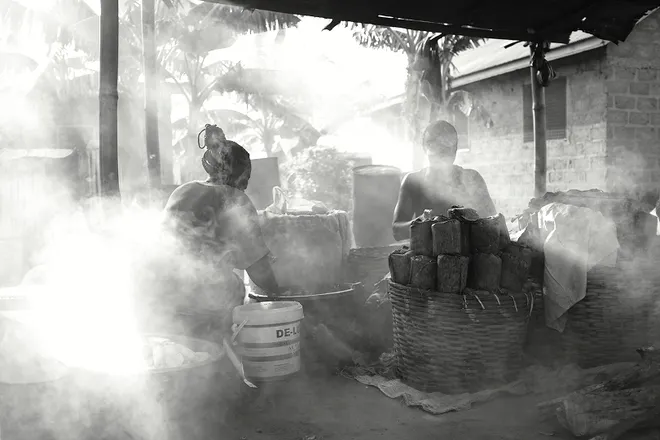
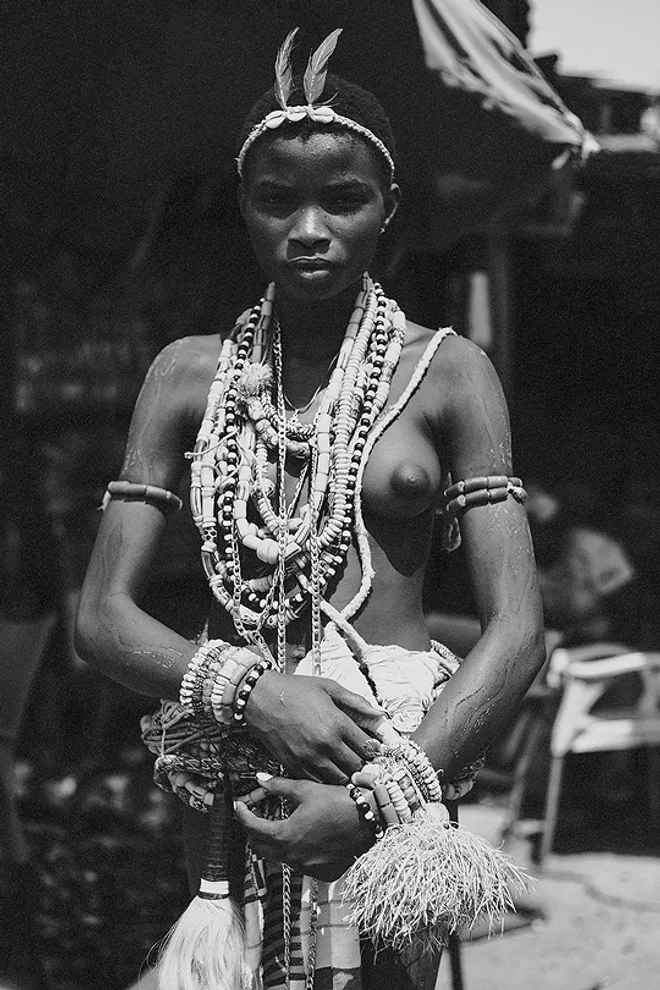
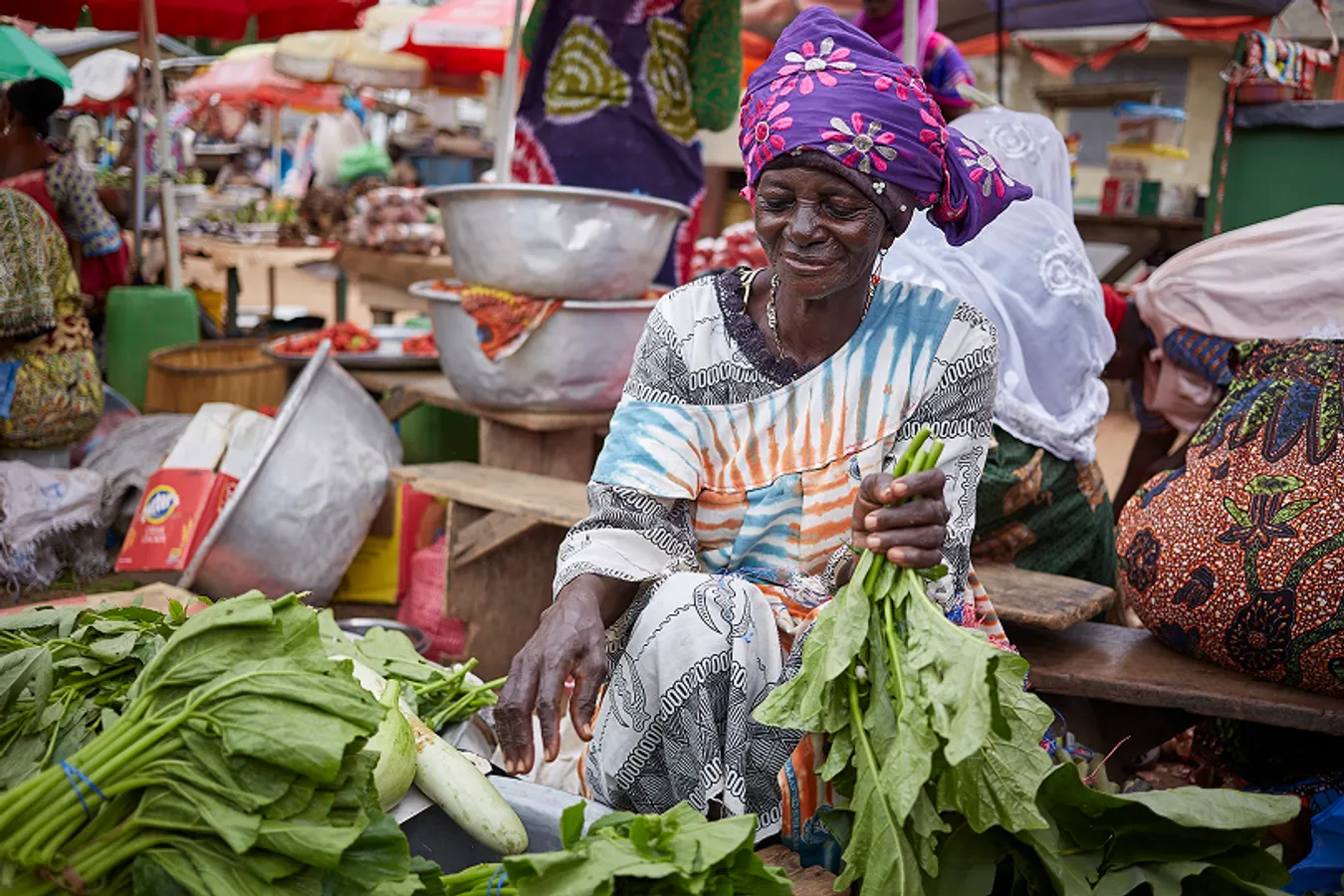
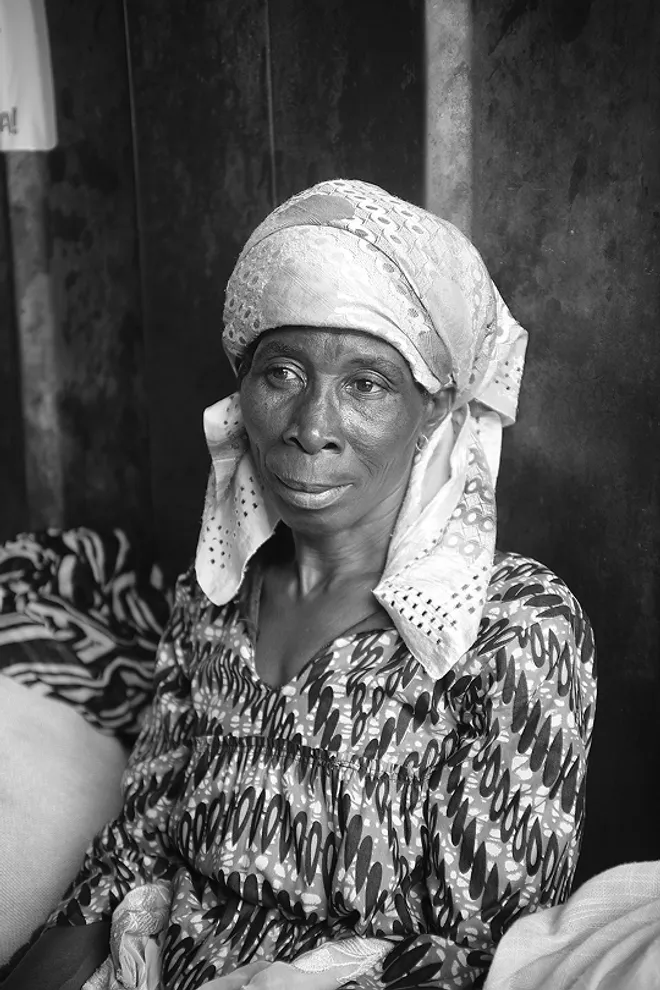
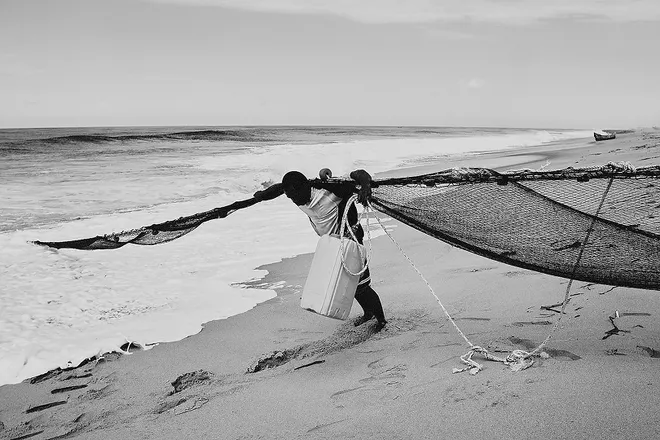
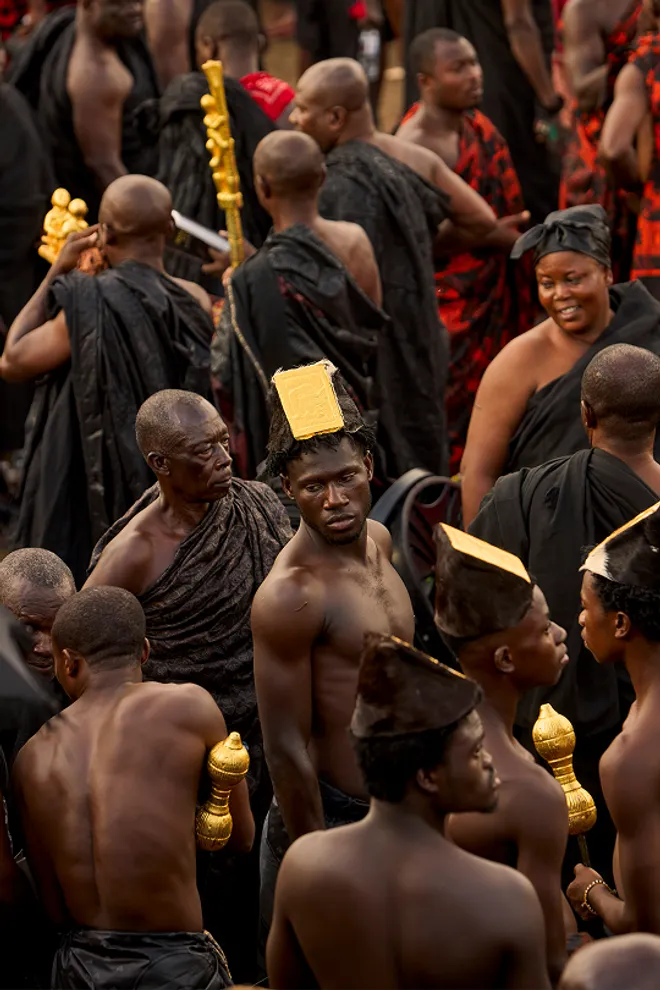
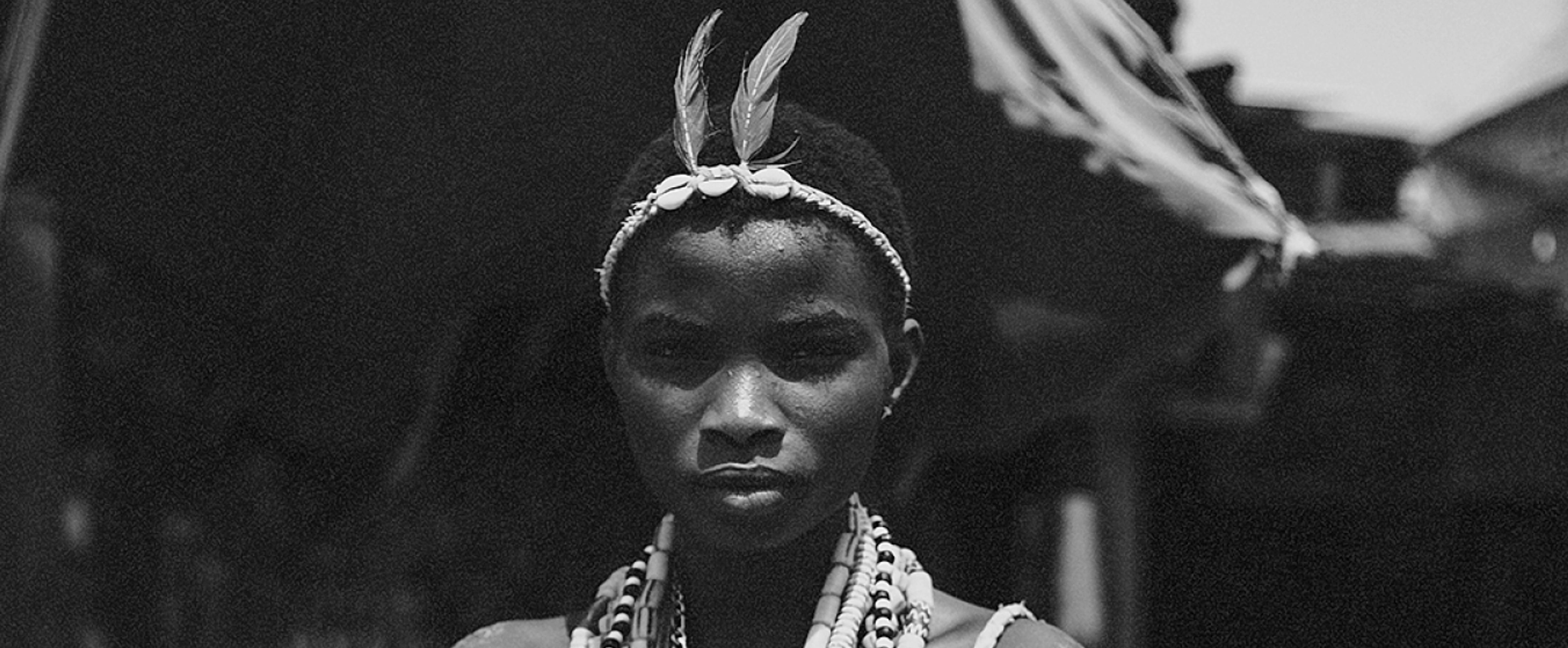
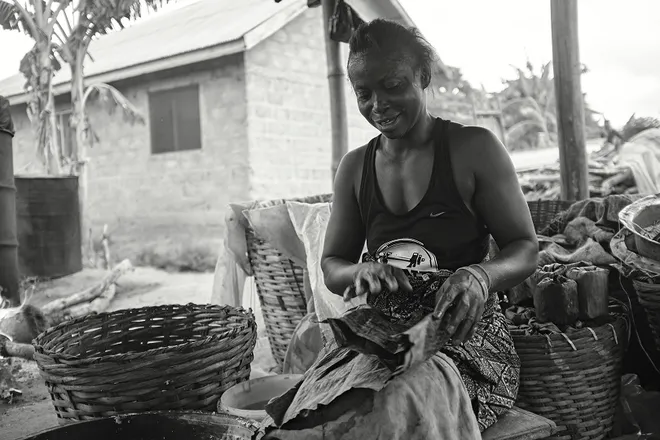
His work is rooted in observing overlooked moments within everyday life, often focusing on portraiture, ritual, and the textures of lived experience. Through monochrome photography and image transfer processes, he explores themes of memory, erosion, familial history, and the body as a site of cultural inscription.

Assumeng has participated in exhibitions and workshops in Ghana, France, South Africa, and Finland, including the ‘On Shyness’ workshop in Helsinki. He has worked with institutions like the Nubuke Foundation and is affiliated with the Foundation for Contemporary Art – Ghana, blaxTARLINES KUMASI, and 54Ruum. His practice continues to evolve through long-term, research-based projects that engage community, archive, and public space.
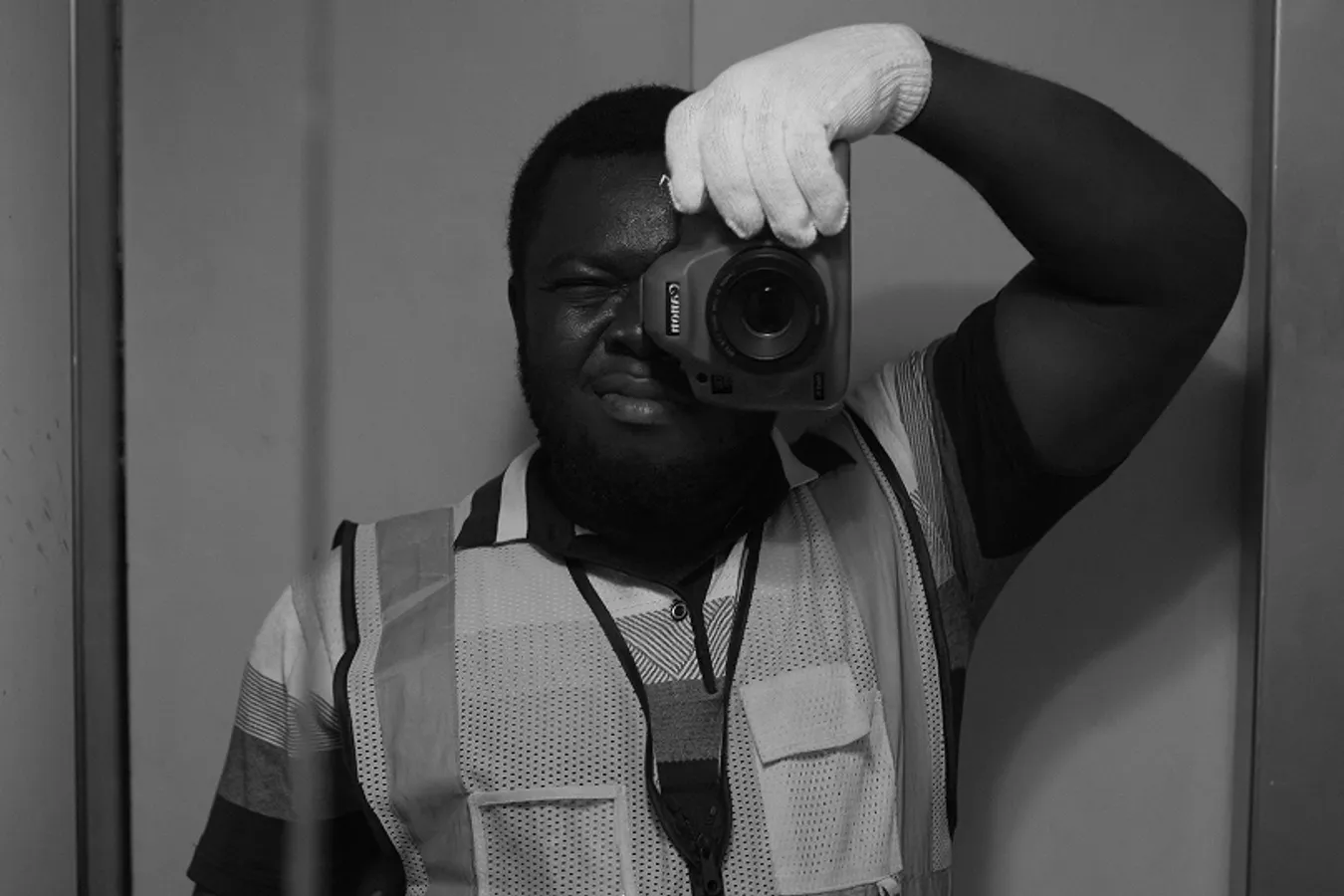
Isaac Gyamfi Assumeng - Ghanaian photographer & visual artist

How did you get started in photography?

Photography began as an extension of how I was already thinking through painting and sculpture. I was interested in how images hold presence, but also how they carry memory and time.

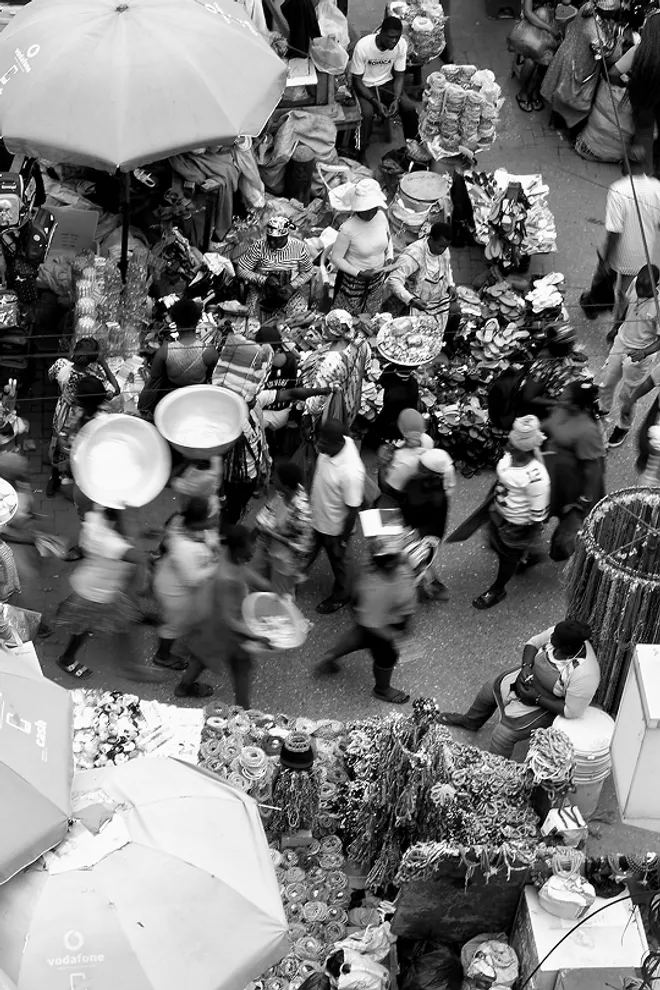
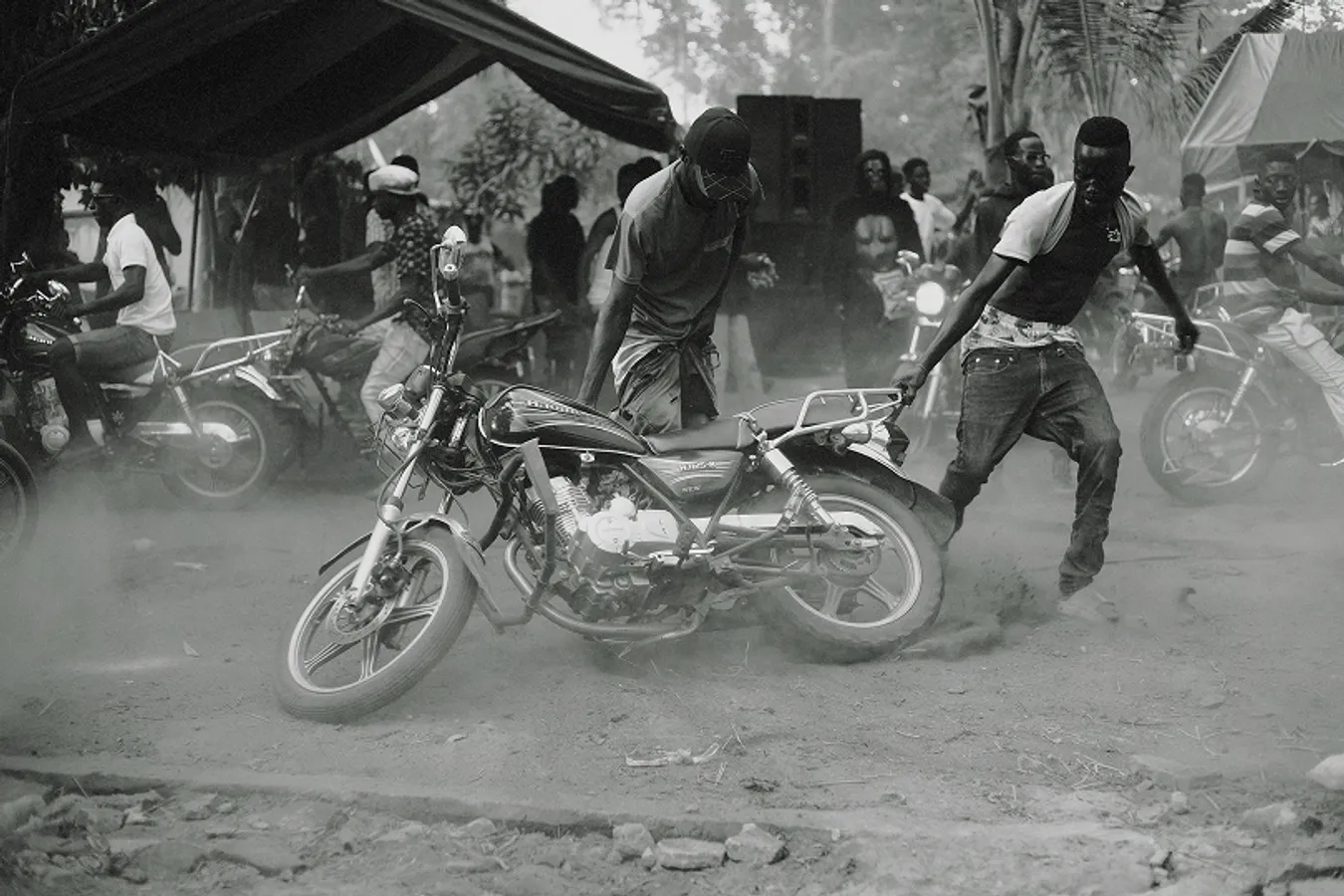
There was not a single defining moment, but rather a gradual shift. I began photographing everyday situations around me — people, spaces, and gestures that felt familiar but were often overlooked.

Over time, the camera became a way to linger with such moments, to study them, and to understand how they could be translated into more than just photographs.

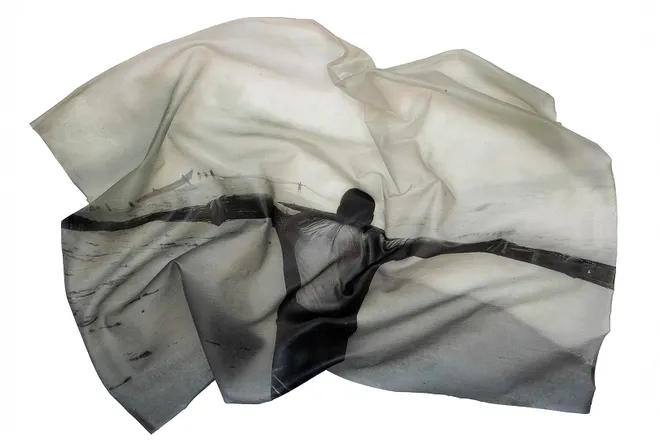
"I hardly see photographs as flat images. I am always considering weight, texture, and how an image might exist beyond its surface."

How would you describe yourself?

I would describe myself as someone who pays attention to what is often overlooked. My work comes from observation, patience, and a willingness to remain with a moment without forcing it.

My background in painting and sculpture shapes a lot of my thinking, so I hardly see photographs as flat images. I am always considering weight, texture, and how an image might exist beyond its surface.

One important detail about me is that I am drawn to quietness. Even in crowded or intense situations, I tend to look for the subtle — that is, what is happening beneath the obvious.

What are the main themes that inspire your photography?

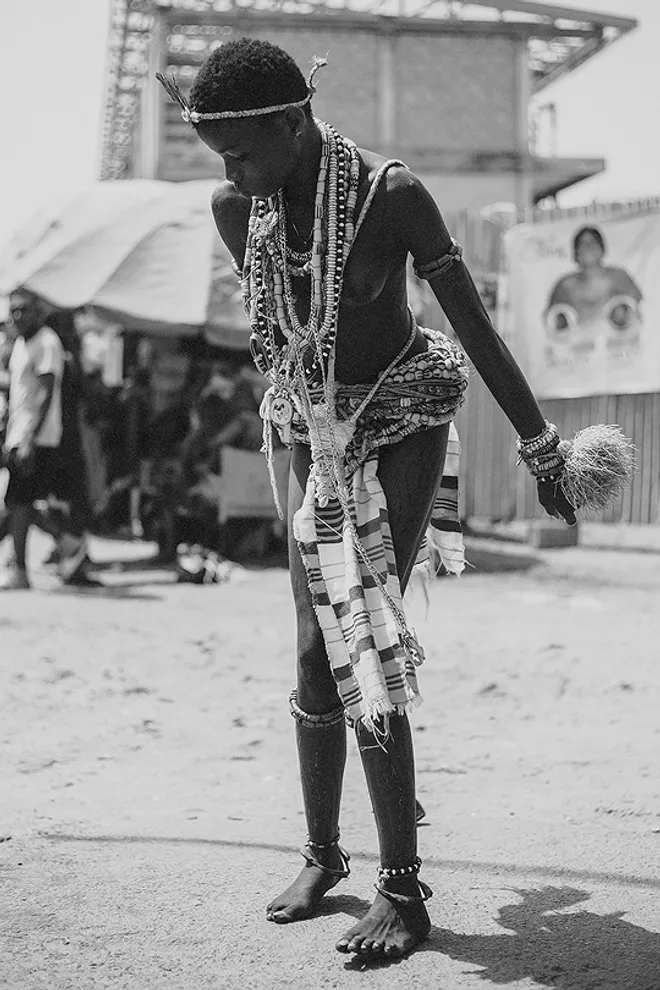
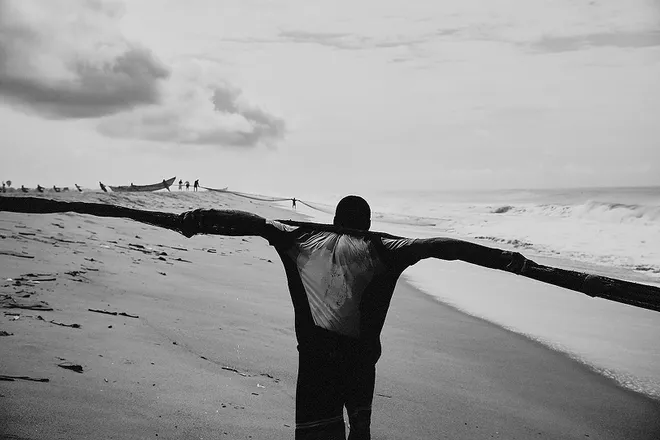
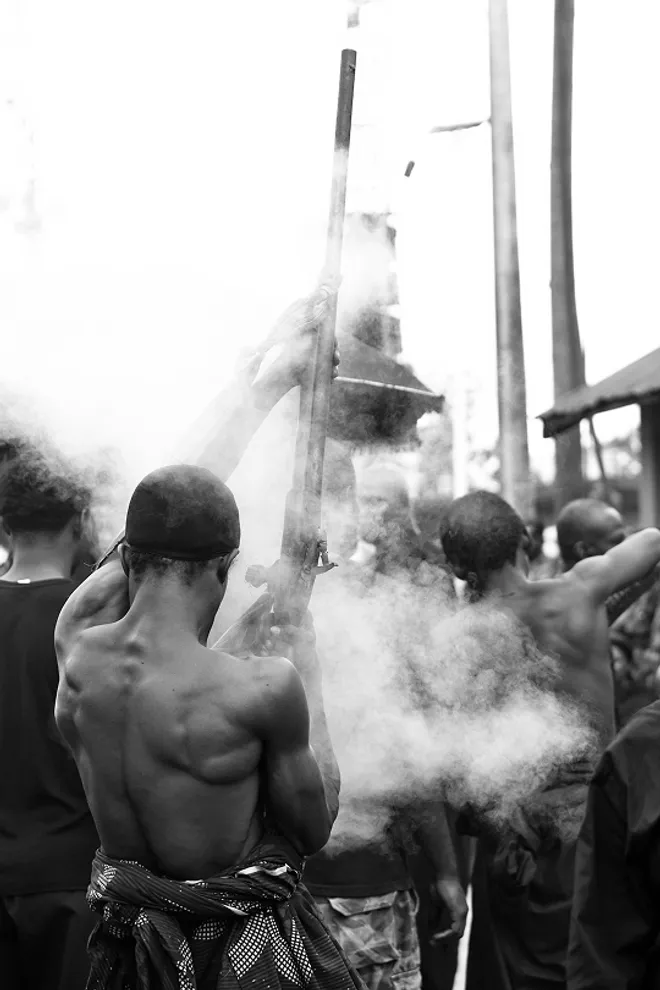
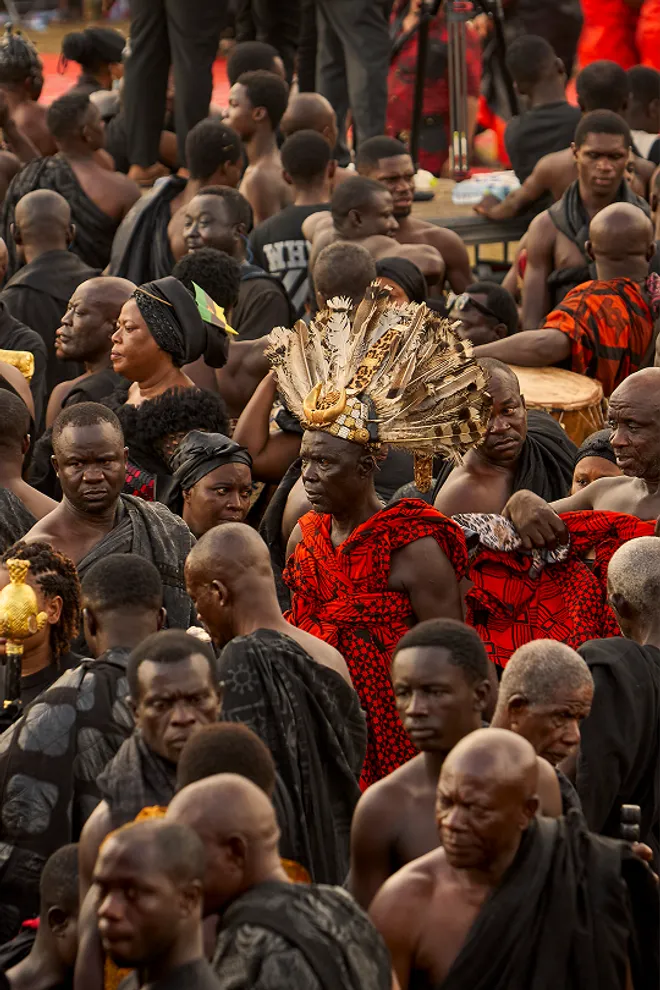
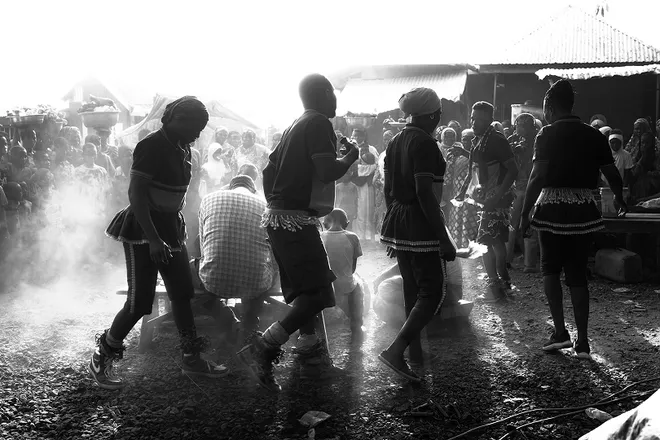
The themes in my work are memory, transition, cultural continuity, and the everyday. I am particularly interested in how culture is carried through the body, through gesture, adornment, and movement. I often focus on moments that sit between visibility and disappearance, where something is present but not always acknowledged.

Through my images, I try to create a space of recognition, where viewers can slow down and encounter these moments with a sense of attention and care. It is less about explaining and more about allowing a connection to unfold.

“I would never compromise on the profound respect I owe to both the subject and the cultural context I am documenting.”

What moment in your career are you most proud of?

My practice has been shaped by several defining moments rather than a single milestone.

Participating in the On Shyness workshop in Helsinki in 2024 was a significant turning point. It expanded the context in which I think about my work and sharpened my sensitivity to vulnerability, presence, and the quiet tensions within image-making.

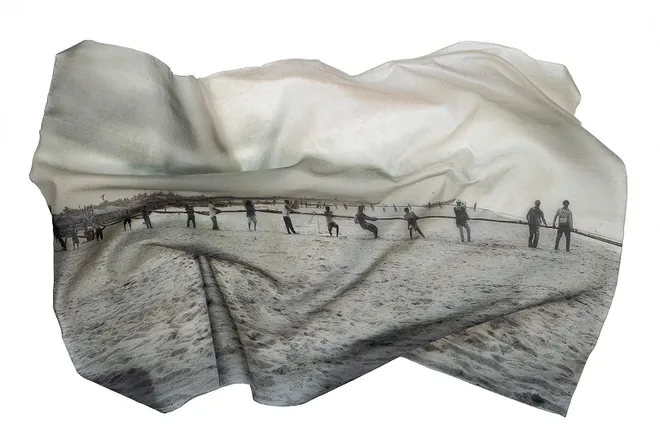
The development of my exhibition, When the Drum Fades (2025), is another moment I hold closely. It marked a deeper consolidation of my visual language, bringing together monochrome photography, material processes, and my ongoing engagement with memory, erosion, and the body.

Equally important are the opportunities to exhibit across Ghana, France, South Korea, and South Africa. These experiences have not only extended the reach of my work but have also grounded it within broader conversations around contemporary African image-making.

Taken together, these moments reflect an ongoing trajectory — one that continues to evolve rather than resolve into a single point of arrival.

What is the biggest challenge you've faced as a photographer?

Negotiating how to represent culturally sensitive moments without flattening them into performance or surface imagery.

Working within communities and traditions demands a high level of responsibility, patience, and earned trust. It has required me to develop a clear sense of when to engage and when to withdraw, understanding that not every moment is mine to capture, but sometimes simply to witness.

What I have come to understand is that the image is not always the priority; the relationship is. When that is respected, the work carries a deeper meaning and remains grounded in the people and contexts it comes from.

"The use of monochrome has become central, allowing me to focus on structure, light, and emotional weight rather than distraction."

What type of photography do you specialise in?

I specialise in documentary and portrait photography with a strong emphasis on cultural and everyday narratives.

My style has evolved from straightforward observation into a more considered approach that balances documentation with form, texture, and material thinking.

The use of monochrome has become central, allowing me to focus on structure, light, and emotional weight rather than distraction.

What is your primary commercial niche?

Editorial, art, and cultural storytelling, particularly projects that engage identity, heritage, and community narratives. This includes cultural forums, exhibition documentation, and festivals.

Additionally, my work aligns with editorial standards seen in platforms like Reuters, where images are expected to carry both immediacy and depth without compromising context.

What is your unique technical or visual approach?

My approach combines documentary sensitivity with a background in fine art. I work with natural light and minimal intervention, allowing the scene to retain its integrity. I focus on texture, tonal depth, the body as a central form, and detail as an entry point into larger narratives.

I also extend my photographic work into material processes such as image transfer, which allows the image to exist physically beyond the photographic surface.

“I was interested in how images hold presence, but also how they carry memory and time."

Which global brands, photographers, or industries do you feel your work aligns with most?

My work is in accordance with the practices of Patrick Brown and Heidi Bucher. It also aligns with editorial and cultural platforms that prioritise storytelling over spectacle, such as art publications, museum contexts, and documentary-led brands like Reuters.

How's the photography and art space in Ghana?

It has grown tremendously in recent years, with increasing visibility both locally and internationally.

There is a stronger presence of institutions, groups, and independent initiatives that support experimentation and critical engagement. Artists are not only producing work but also shaping conversations around identity, history, and current life.

At the same time, there are still challenges regarding infrastructure and funding.

What is one professional standard you never compromise on?

I would never compromise on the profound respect I owe to both the subject and the cultural context I am documenting.

I believe that a photograph should never be a hollow performance or an act of extraction; instead, it must be an act of witness, rooted in earned trust and a deep responsibility to the people and stories being told.

What do you think of the 54Ruum platform?

54Ruum stands as a sophisticated nexus for the continent’s creative energy, harmonising diverse African voices into a singular, powerful chorus.

It is a critical engine for professional validation, ensuring that the depth and calibre of African artistry receive the global recognition they rightfully deserve.

Credits

Text

Kelvin Otum

Curation

guvnor

SHARE THIS STORY

Join Our Community

More Stories

Edgar Barros : photographe de rue et conteur visuel sénégalo-espagnol documentant les liens humains, les cultures et les instants authentiques à travers l’Afrique et le monde
Felipe Antolin ESONO NGUEMA: photographe équato-guinéen créant des récits afro-urbains et éditoriaux cinématographiques autour de l’identité, de la culture et de l’expression humaine.
Delvin Nyambo: Zimbabwean editorial photographer capturing street life, identity, and unapologetic self-expression
Ken Banda: Malawian lifestyle and commercial photographer exploring creative freedom, natural light, and authentic human emotion
Bernard Owusu Boateng: Ghanaian editorial and commercial photographer exploring modern culture, music, and everyday human emotions
Thalente Khomo: South African conceptual and fine art photographer exploring memory, healing, and womanhood
Ashmond Oppong: Ghanaian fashion and lifestyle photographer capturing identity, culture, and visual narratives
Malachie Ngiama : photographe et directeur artistique congolais capturant la vie urbaine, l’émotion brute et les récits visuels entre rue et cinéma
Kelvin Buckman: Ghanaian lifestyle, portrait and music photographer documenting emotion, culture, and storytelling
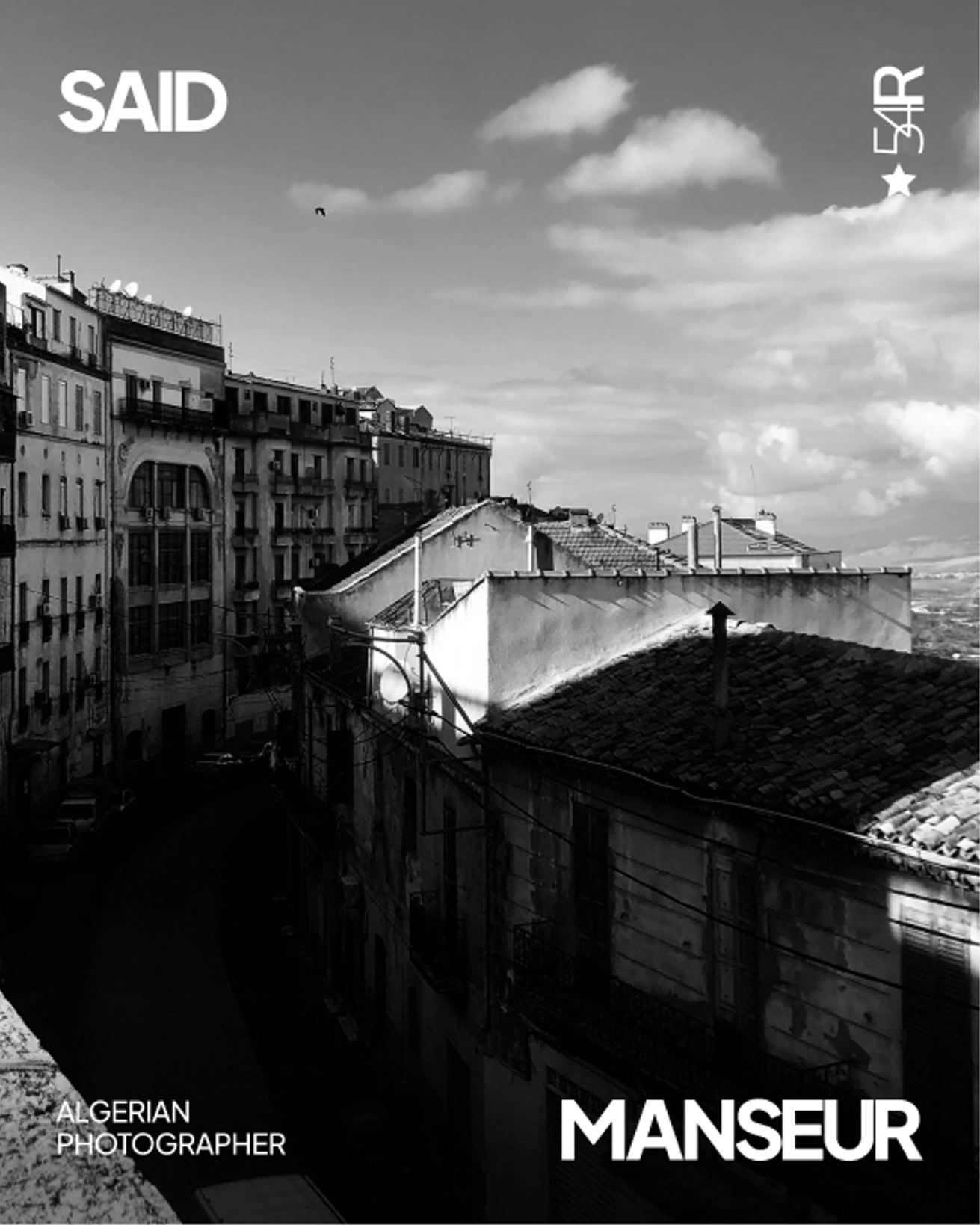
Said Manseur: Algerian documentary photographer exploring environmental change, memory, and cultural resilience
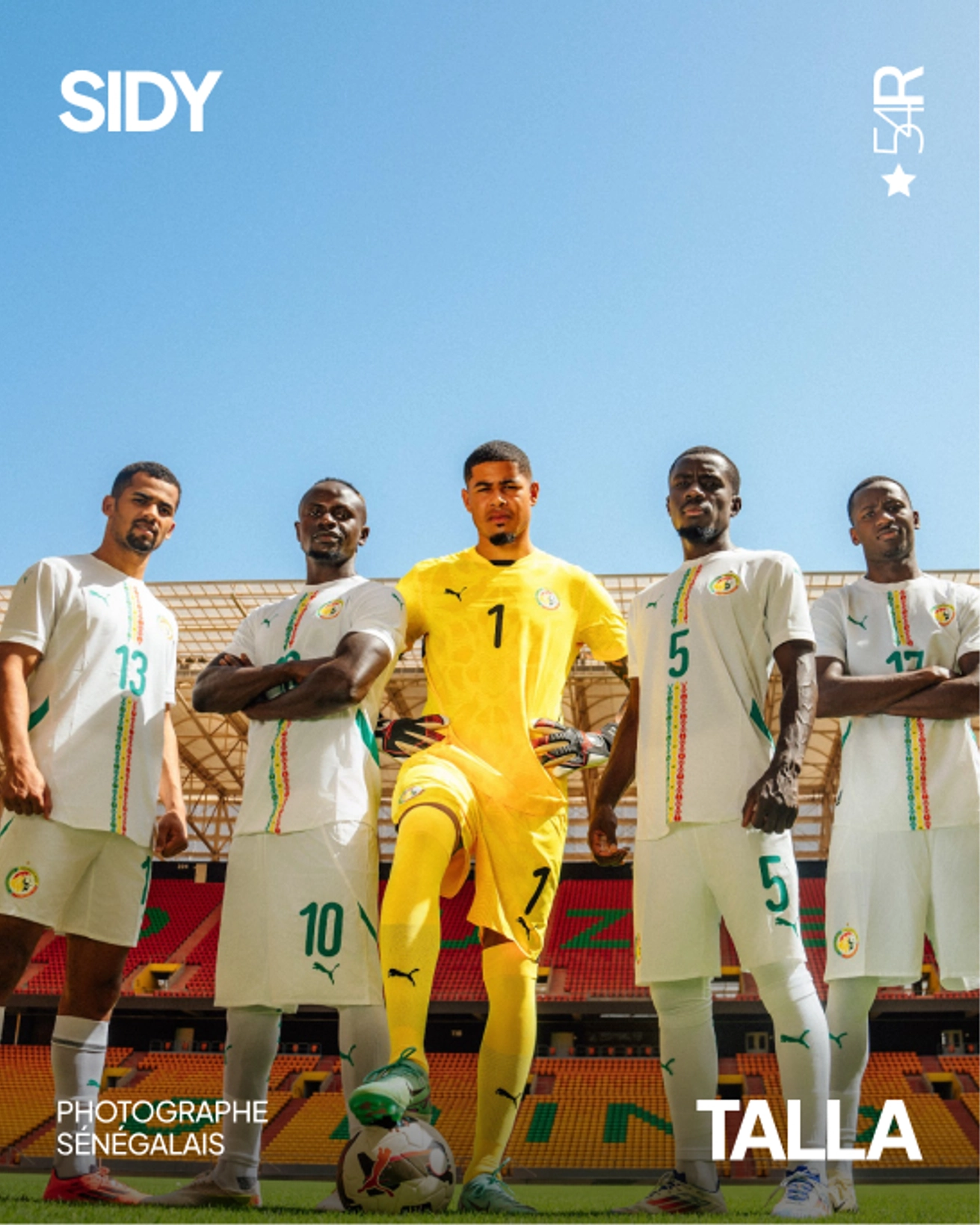
Sidy Talla : photographe sénégalais de sport et d’entreprise capturant le rythme, la précision et les instants invisibles
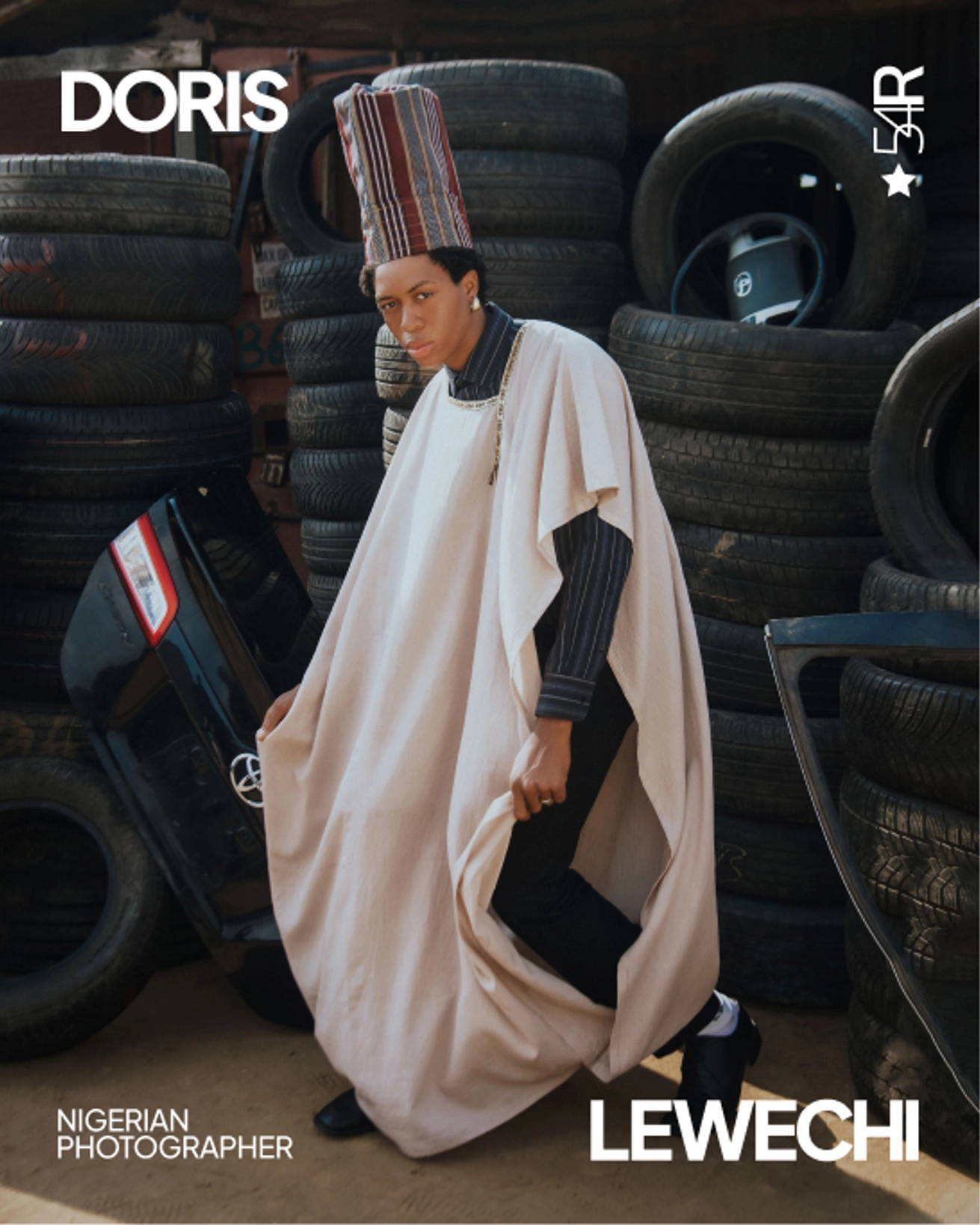
Doris Lewechi: Nigerian photographer elevating the overlooked through narrative integrity and bold editorial vision
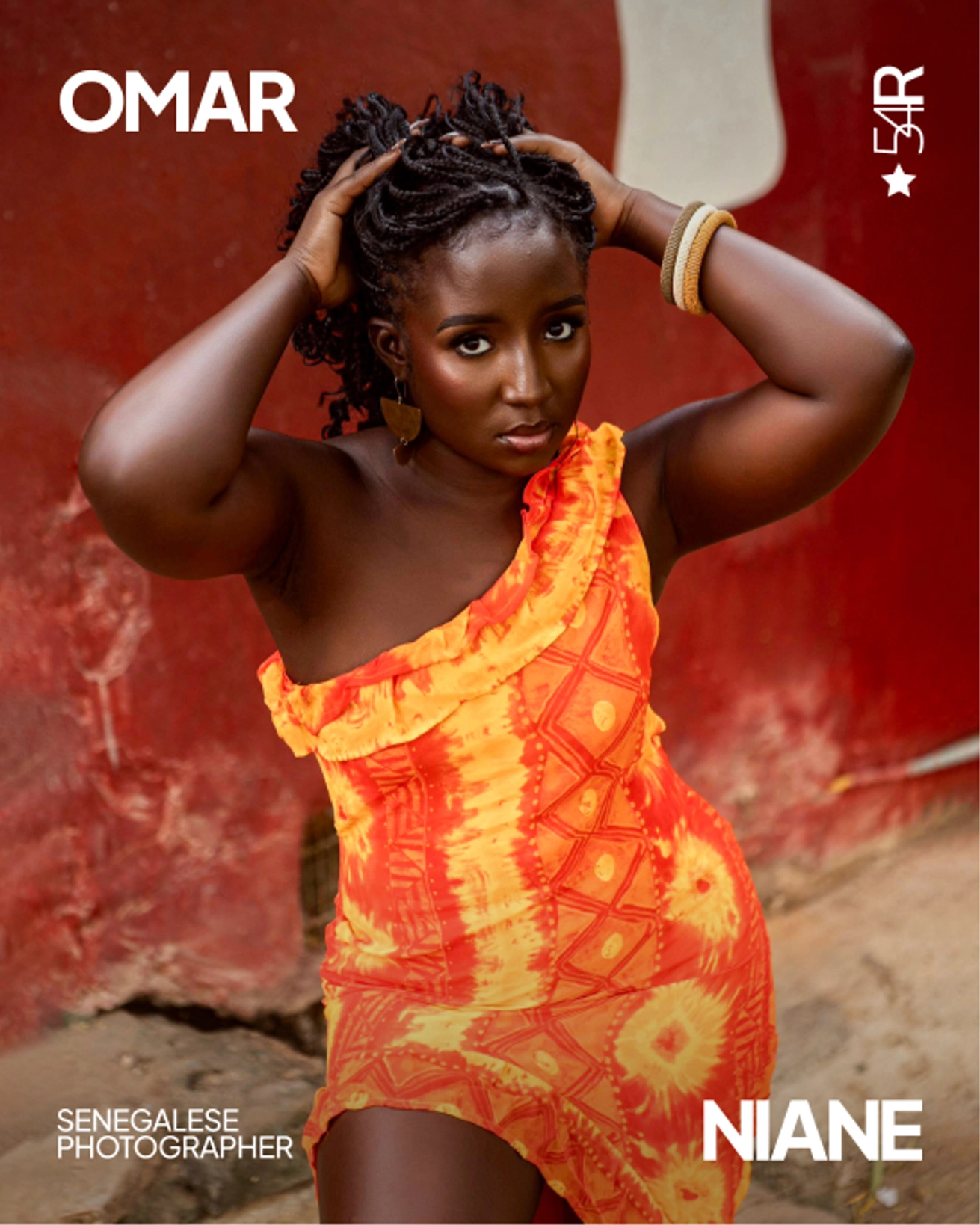
Omar Niane: Senegalese portrait and fashion photographer expressing identity and emotion
Godelive Kabena Kasangati: Congolese documentary and conceptual photographer exploring bodies, life, and the complexity of image-making
Hamza Boufes: Algerian conceptual and documentary photographer documenting heritage and cultural identity

Company

The Ruum Africa

Products

RTM

Community

Cookie Policy

© 2026 The Ruum Africa

Built by