Allan Aligula: Kenyan documentary and observational photographer capturing quiet human-centred narratives

9 mins read
Published23 Apr, 2026

"I have realised that I find it difficult to find my voice amid uncertainty — questioning whether my perspective matters or whether my photographs can truly resonate."

Allan Aligula was first trained in graphic design and media studies. He found his way into photography through practice rather than intention. What started as an extension of client work slowly became a way for him to see and understand the world. The trial, uncertainty, and small discoveries along the way have shaped his craft today.

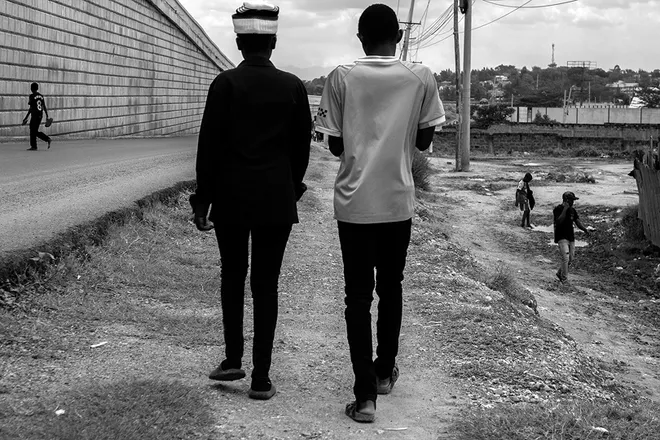
Over time, photography became his way of engaging with everyday life. Aligula’s work moves between documentary and artistic expression, grounded in observation and a deep sensitivity to place, people, and presence.

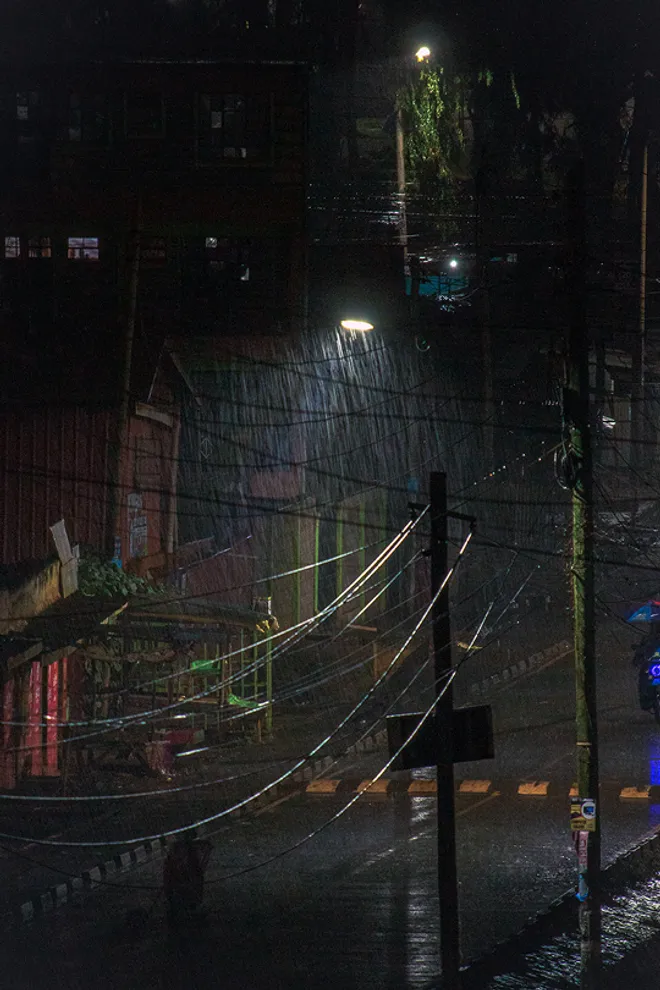
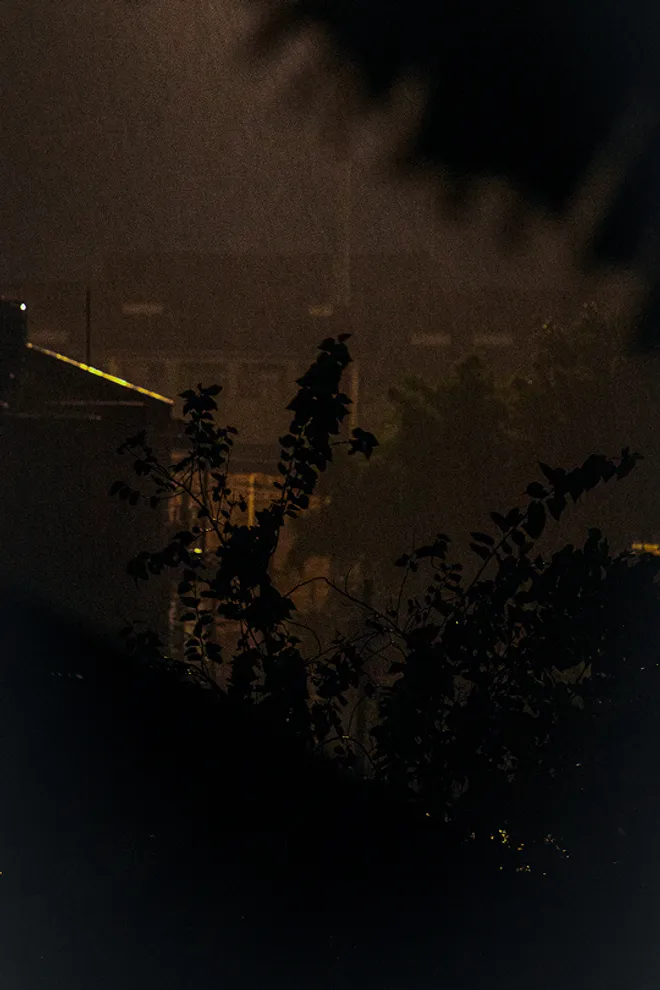
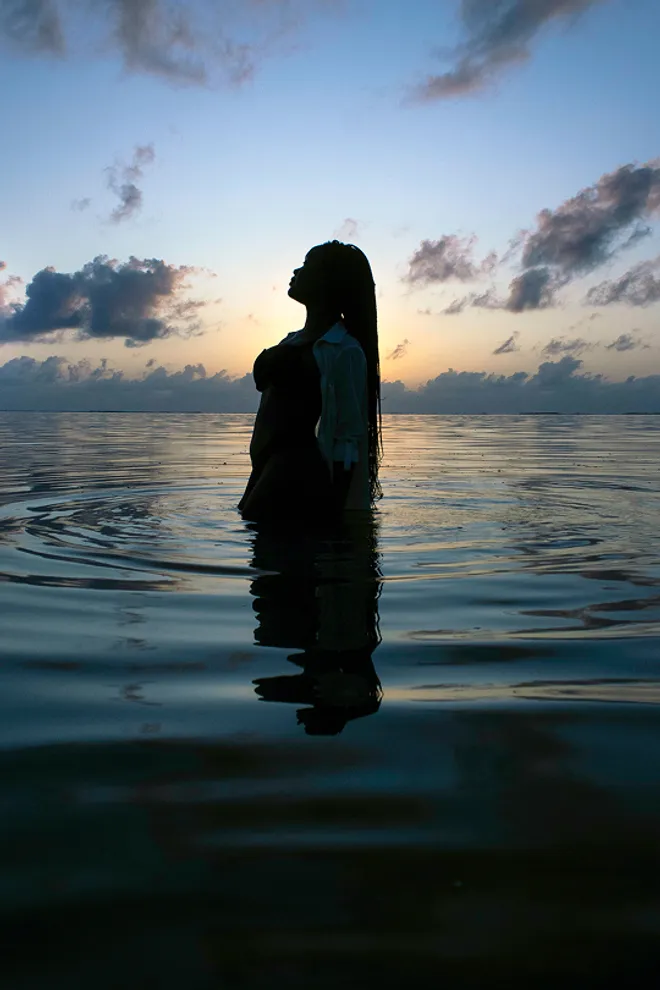
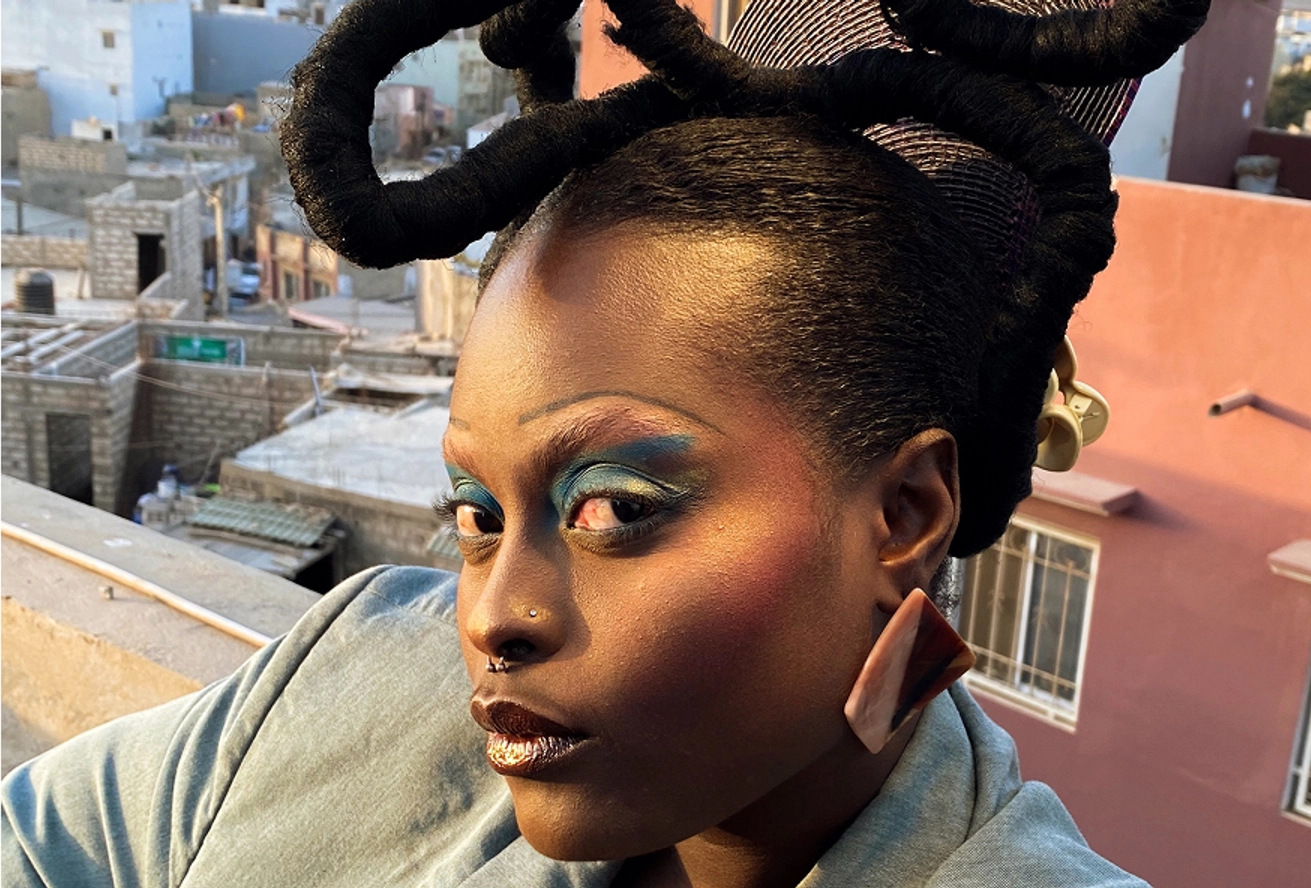
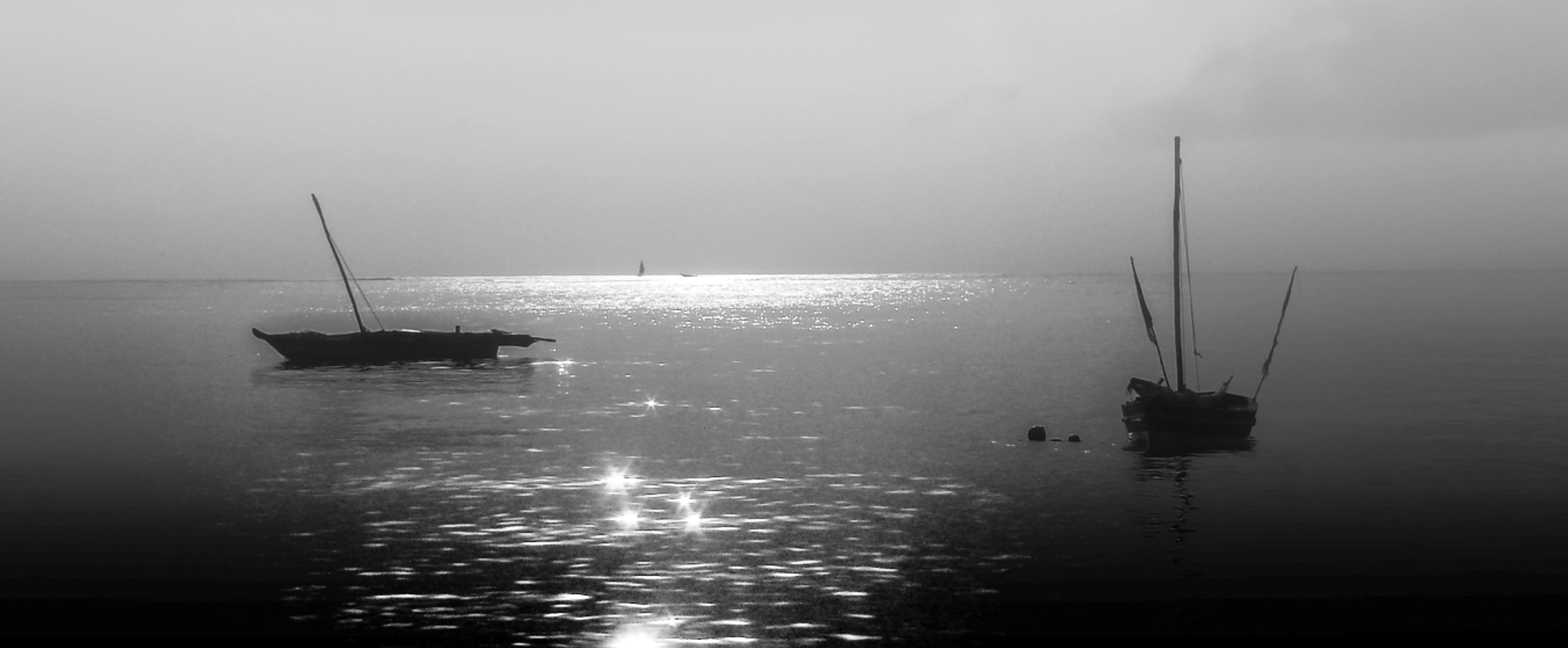
He is drawn to quiet, often-overlooked moments and focuses on emotion, texture, and atmosphere. Aligula creates images that do not seek attention but instead make his audience still, reflective, and slow to see. In his work, meaning is not forced but allowed to unfold naturally through gesture, light, and lived experience.
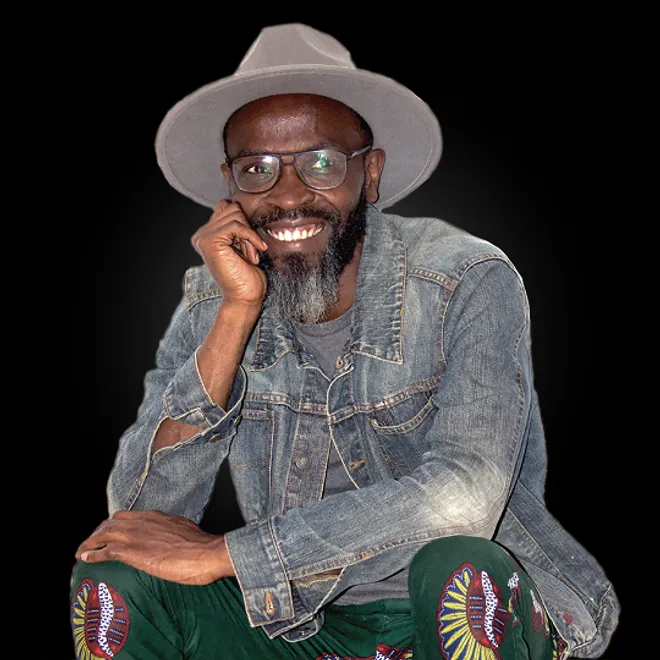
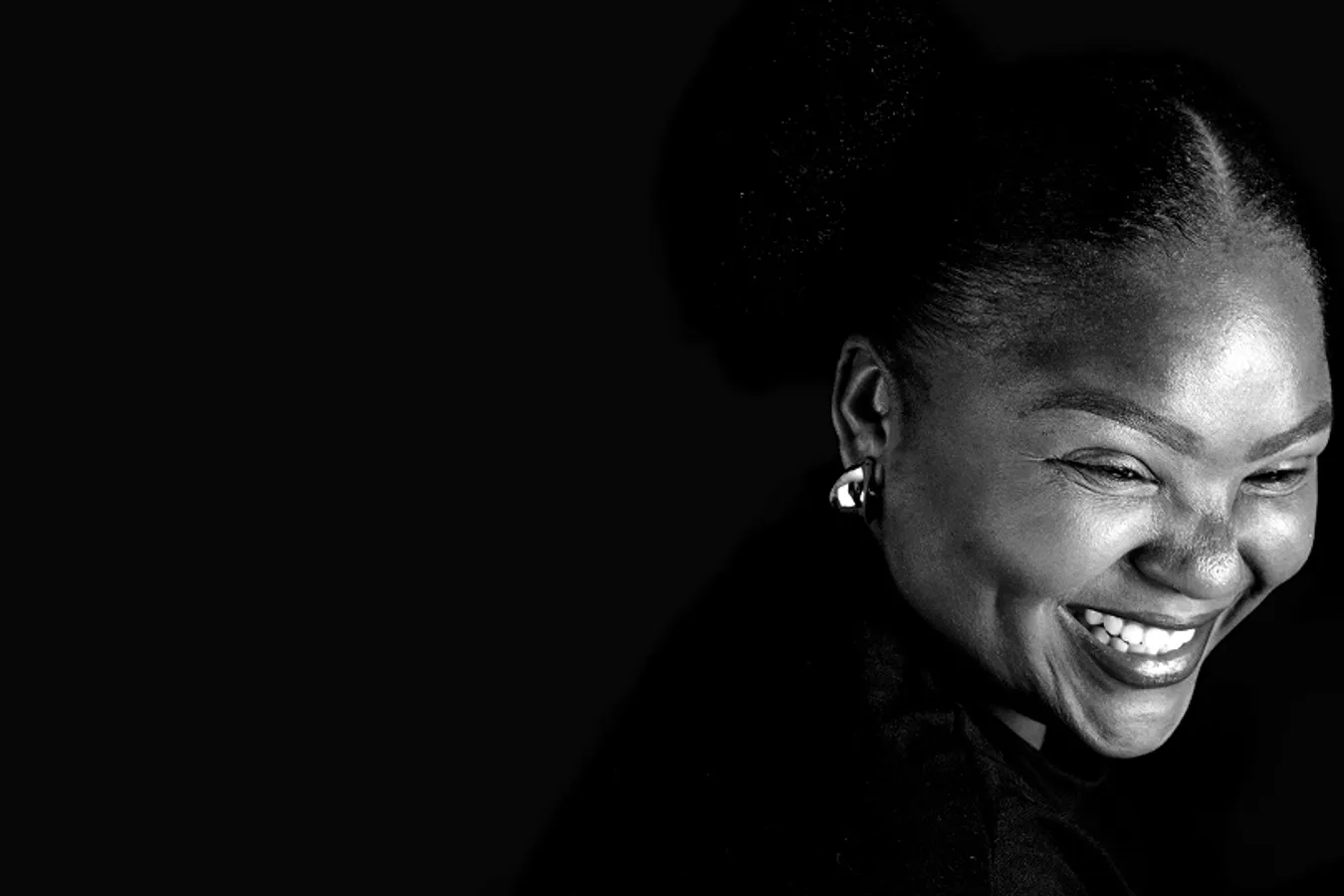
Allan Aligula - Kenyan documentary photographer

How did you get started in photography?

My interest in photography was sparked by the legendary Kenyan photojournalist Mohamed Amin. His courage, resilience, and relentless drive to document the African story at a time when few photographers of African descent were capturing these narratives left a lasting impression on me.

Amin’s dedication instilled in me a respect for careful observation, curiosity, and empathy in documenting life — a foundation that continues to guide my work today.

How would you describe yourself?

Curiously engaging, I approach photography as an exploration, trying as much as I can to connect deeply with collaborators and spaces to reveal stories that invite the viewer to pause, reflect, and feel.

What are the main themes that inspire your photography?

Several things inspire the kind of photography I do. Though I am still on a journey of discovery and experimentation, each project is an evolving dialogue, capturing only glimpses — one, two, or three pictures at a time — of a larger, unfolding story. 

It is shaped by moments of human presence — both quiet and, at times, more immediate — alongside the rhythms of daily life and the textures of everyday experience. I am interested in how these moments reveal themselves through gesture, light, and time.
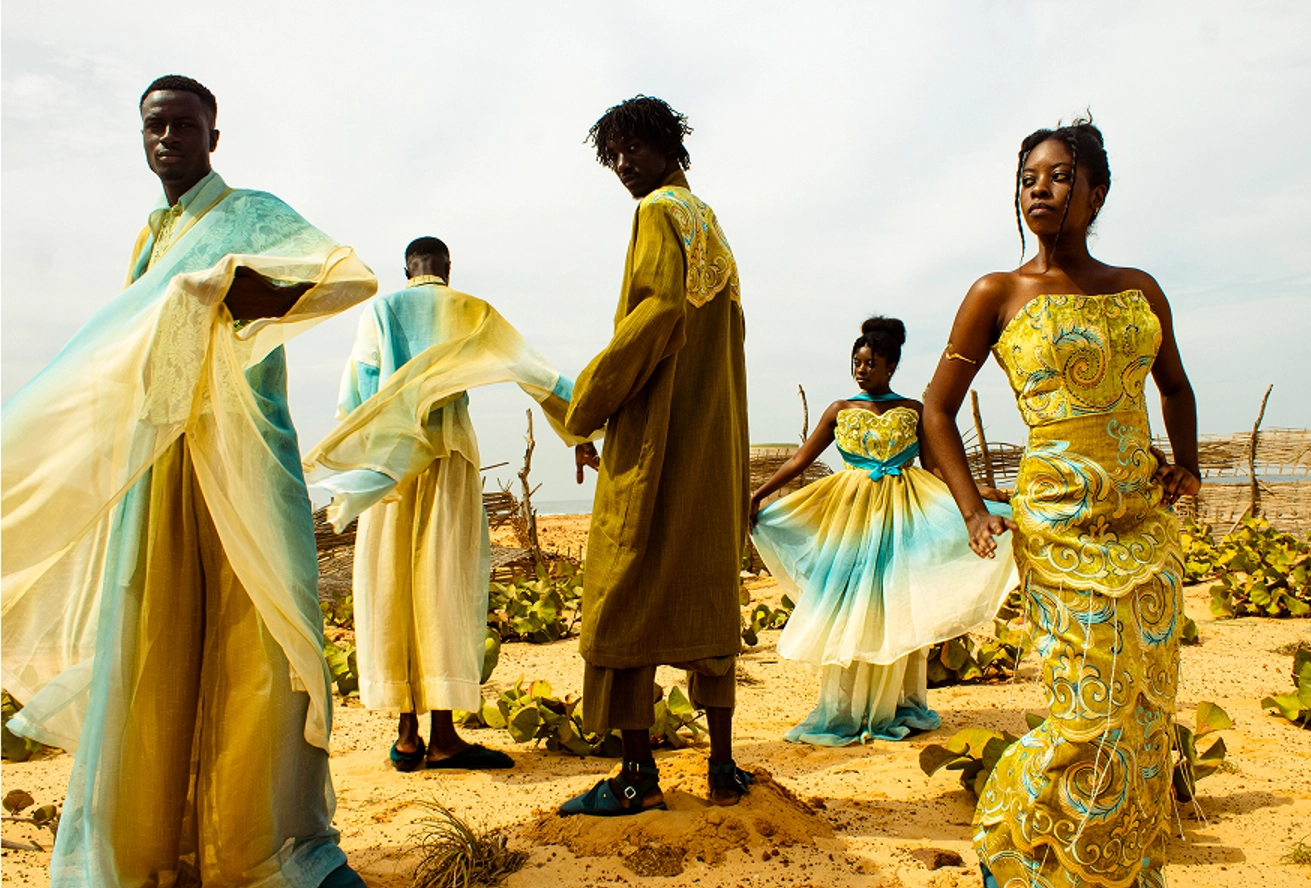
What moment in your career are you most proud of?

Working on the award-winning Journey to Justice documentary, where I contributed across both video and photography. 

Shot across Nairobi, Lamu, and Lodwar in Turkana, the project focused on social justice and governance, bringing together my interests in visual storytelling while remaining rooted in observation and narrative.

What is the biggest challenge you've faced as a photographer?

Over the years, I have realised that I find it difficult to find my voice amid uncertainty — questioning whether my perspective matters or whether my photographs can truly resonate.

I have overcome this by embracing experimentation, learning from every mistake, and focusing on continually documenting life authentically, from the extraordinary to the intentionally mundane. Over time, I have realised that confidence comes through practice and reflection.

"My interest in photography was sparked by the legendary Kenyan photojournalist Mohamed Amin. His dedication instilled in me a respect for careful observation, curiosity, and empathy in documenting life — a foundation that continues to guide my work today."

What type of photography do you specialise in?

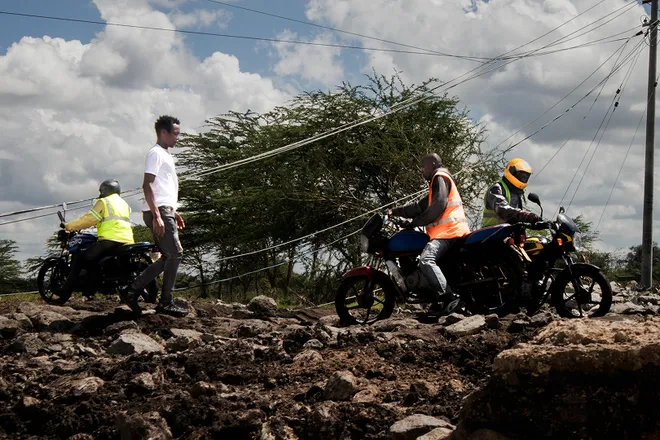
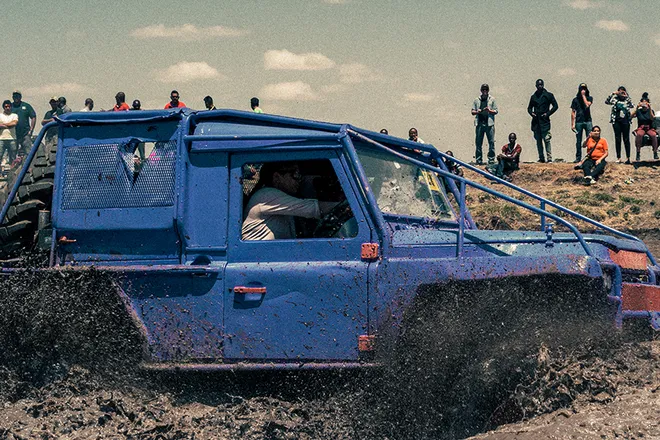
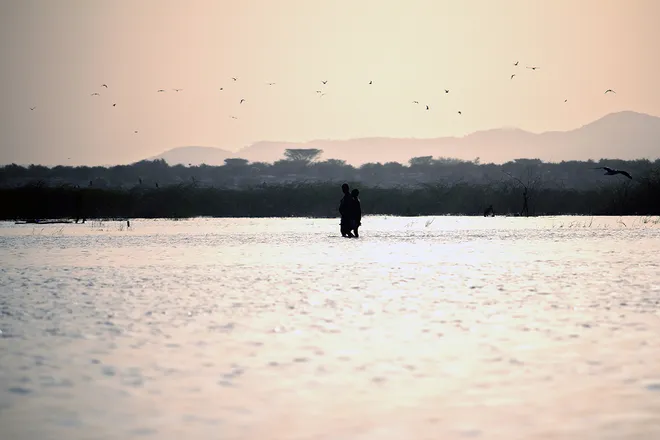
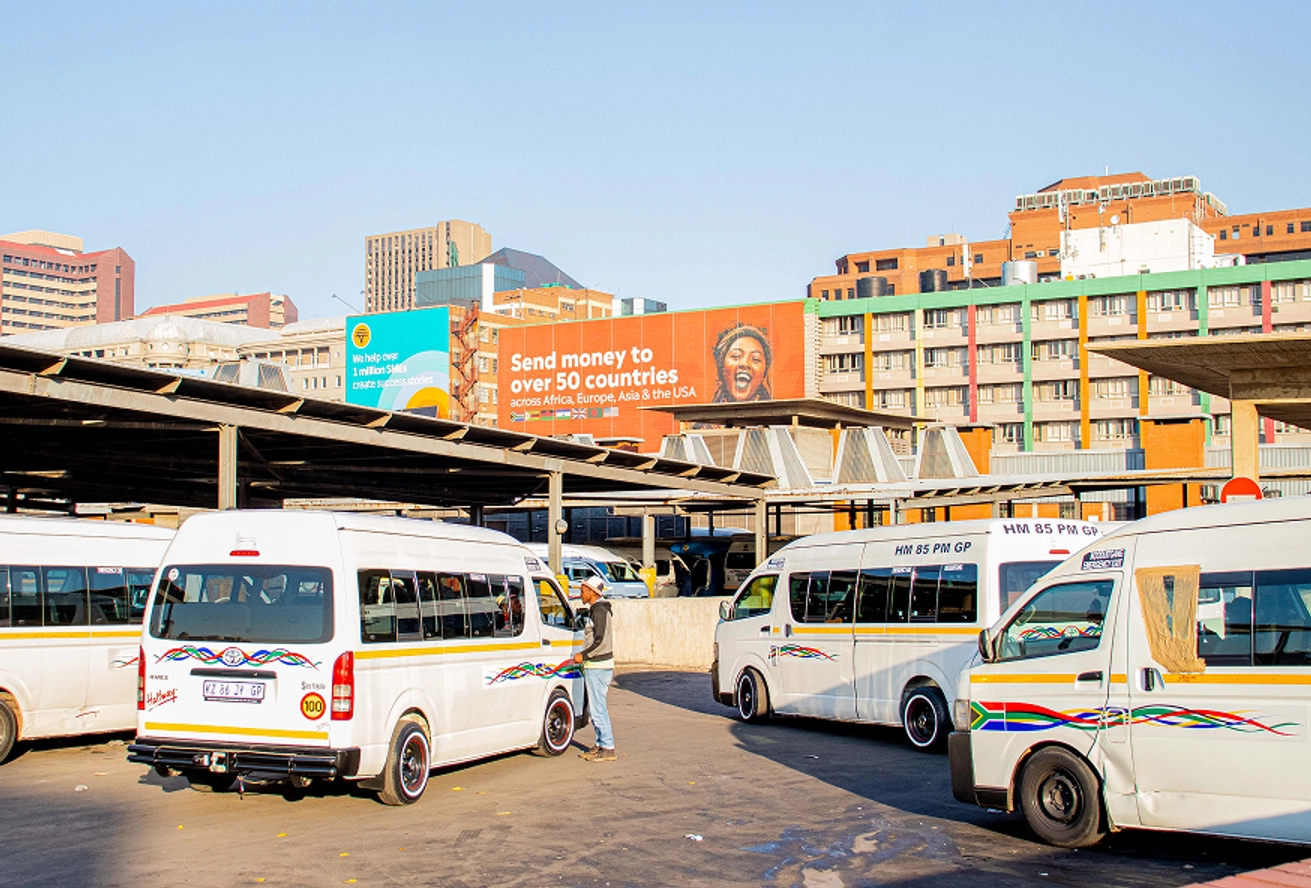
I especially love documentary and observational photography, focusing on quiet, human-centred narratives across Africa. I capture subtle gestures, everyday moments, and lived experiences of my contributors, balancing ethics and empathy with careful observation. 

Over time, my practice has grown from random documentation to a more intentional approach. Today, my photography serves not just as a record but also as a form of storytelling, often intersecting with film and multimedia projects to explore culture, folklore, and human connection.

What is your primary commercial niche?

Documentary photography and visual storytelling through photo essays that explore social issues, culture, and human narratives across Africa.

I focus on capturing lived experiences ethically, with empathy and context, developing stories over time rather than as isolated images.

What is your unique technical or visual approach?

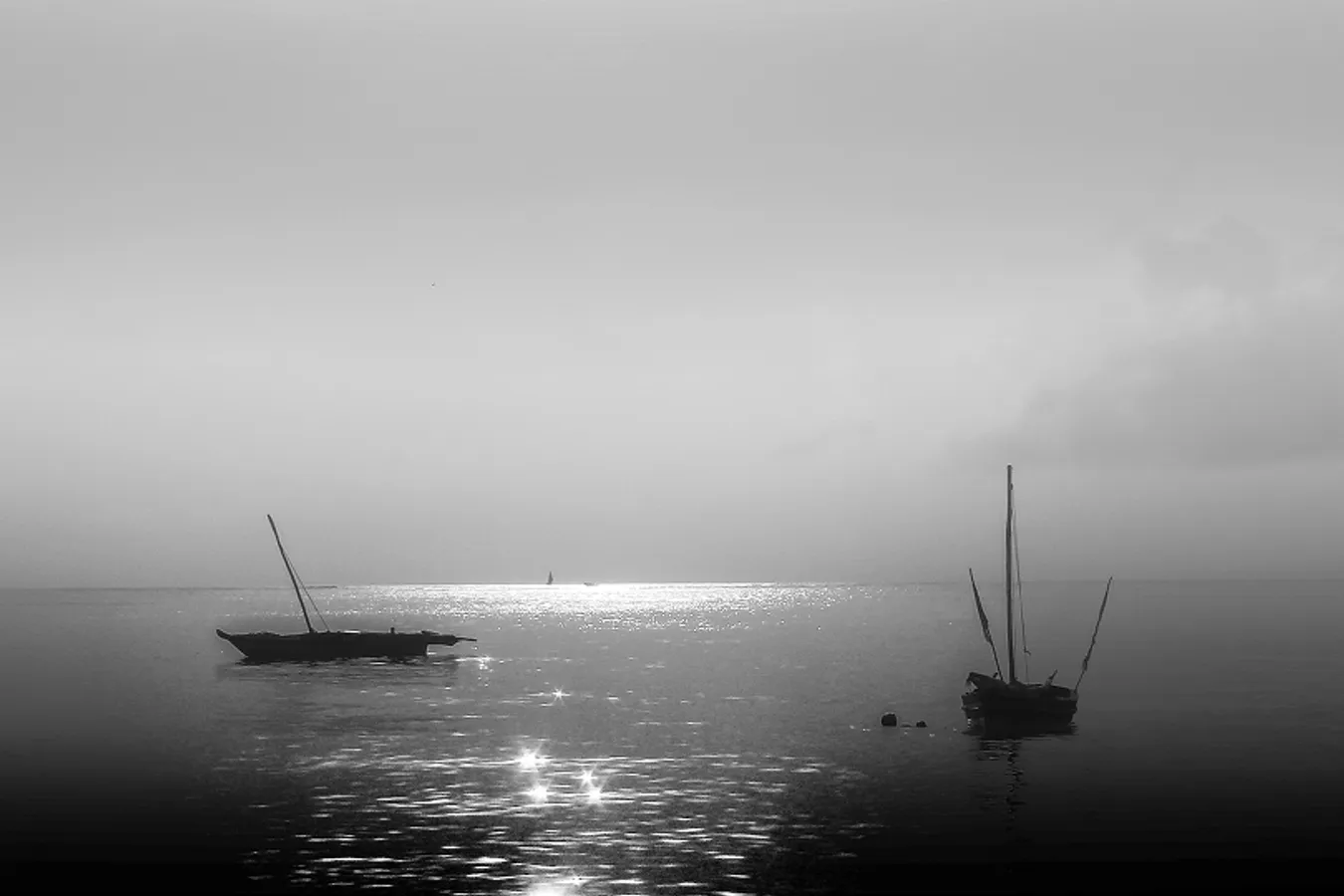
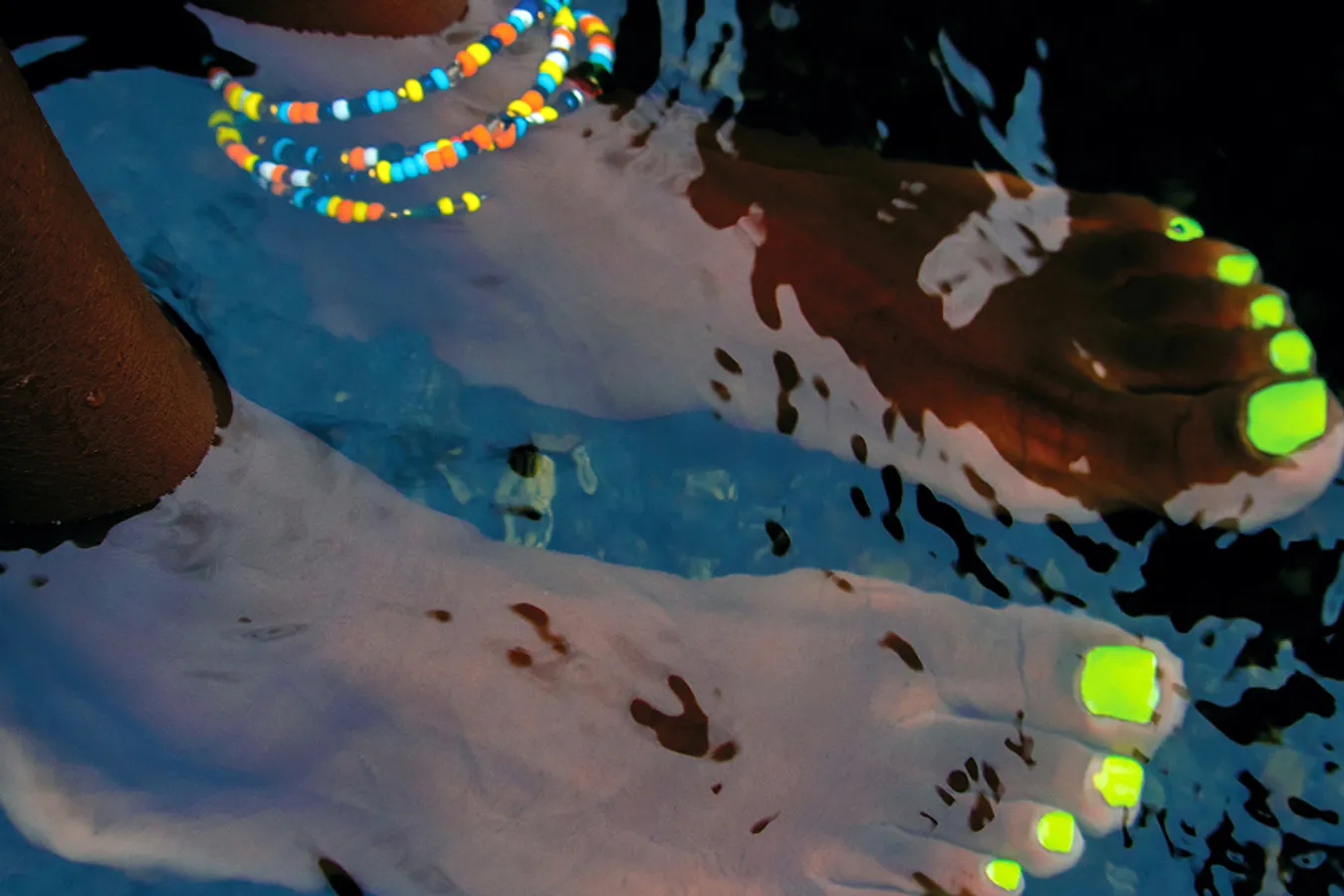
I prefer natural light, texture, and composition to reveal subtle human gestures and atmospheric detail. 

While I am conversant with the technicalities of photography, I let the story dictate the approach, favouring a quiet, restrained style that allows the subject and environment to speak for themselves.

Drawing from my background as a motion picture editor, I approach my photographic practice as I would a film edit: with the story in mind — a sequence or a single photograph that tells a larger story. This approach informs how I structure each image and project.

I am still discovering layers within this practice and view my work as a continual, curious exploration rather than a finished formula.

Which global brands, photographers, or industries do you feel your work aligns with most?

I would say that my craft aligns more with global brands, publications, and industries that value authentic, human-centred storytelling. It resonates with outlets like National Geographic and The New York Times, as well as culturally driven brands such as Airbnb and Patagonia.

Photographers like W. Eugene Smith, Sebastião Salgado, Khadija M. Farah, Jjumba Martin, Laura El Tantawy, and Daido Moriyama — just to name a few influences or points of reference on how I would like to approach my practice.

My practice is suited to documentary, editorial, and multimedia industries, as well as cultural institutions, NGOs, and travel or lifestyle projects that seek storytelling rooted in observation, empathy, and place.

How's the photography and art space in Kenya?

Photography in Kenya has grown significantly in recent years, evolving from traditional news-gathering work into a vibrant, culturally expressive scene. 

Young photographers — especially in Nairobi — are exploring street and everyday photography to tell stories about identity, community, fashion, and urban life.

This growth has been supported by policy changes, such as the removal of mandatory street photography fees, which have made public spaces more accessible for emerging photographers.

Spaces like Baraza Hub have been pivotal in creating opportunities for photographers to collaborate, network, and share ideas.

More recently, initiatives like Unpublished have further brought photographers together, fostering community, exposure, and creative exchange, with their virtual exhibitions playing a significant role.

Alongside these grassroots efforts, institutional support is expanding, with exhibitions and collective projects. Overall, Kenyan photography is evolving into a dynamic, community-driven art space that celebrates both the extraordinary and the everyday.

Credits

Photography

Allan Aligula

Text

Esther Ayoola

Curation

guvnor

SHARE THIS STORY

Join Our Community

More Stories

Edgar Barros : photographe de rue et conteur visuel sénégalo-espagnol documentant les liens humains, les cultures et les instants authentiques à travers l’Afrique et le monde
Felipe Antolin ESONO NGUEMA: photographe équato-guinéen créant des récits afro-urbains et éditoriaux cinématographiques autour de l’identité, de la culture et de l’expression humaine.
Delvin Nyambo: Zimbabwean editorial photographer capturing street life, identity, and unapologetic self-expression
Ken Banda: Malawian lifestyle and commercial photographer exploring creative freedom, natural light, and authentic human emotion
Bernard Owusu Boateng: Ghanaian editorial and commercial photographer exploring modern culture, music, and everyday human emotions
Thalente Khomo: South African conceptual and fine art photographer exploring memory, healing, and womanhood
Ashmond Oppong: Ghanaian fashion and lifestyle photographer capturing identity, culture, and visual narratives
Malachie Ngiama : photographe et directeur artistique congolais capturant la vie urbaine, l’émotion brute et les récits visuels entre rue et cinéma
Kelvin Buckman: Ghanaian lifestyle, portrait and music photographer documenting emotion, culture, and storytelling
Said Manseur: Algerian documentary photographer exploring environmental change, memory, and cultural resilience
Sidy Talla : photographe sénégalais de sport et d’entreprise capturant le rythme, la précision et les instants invisibles
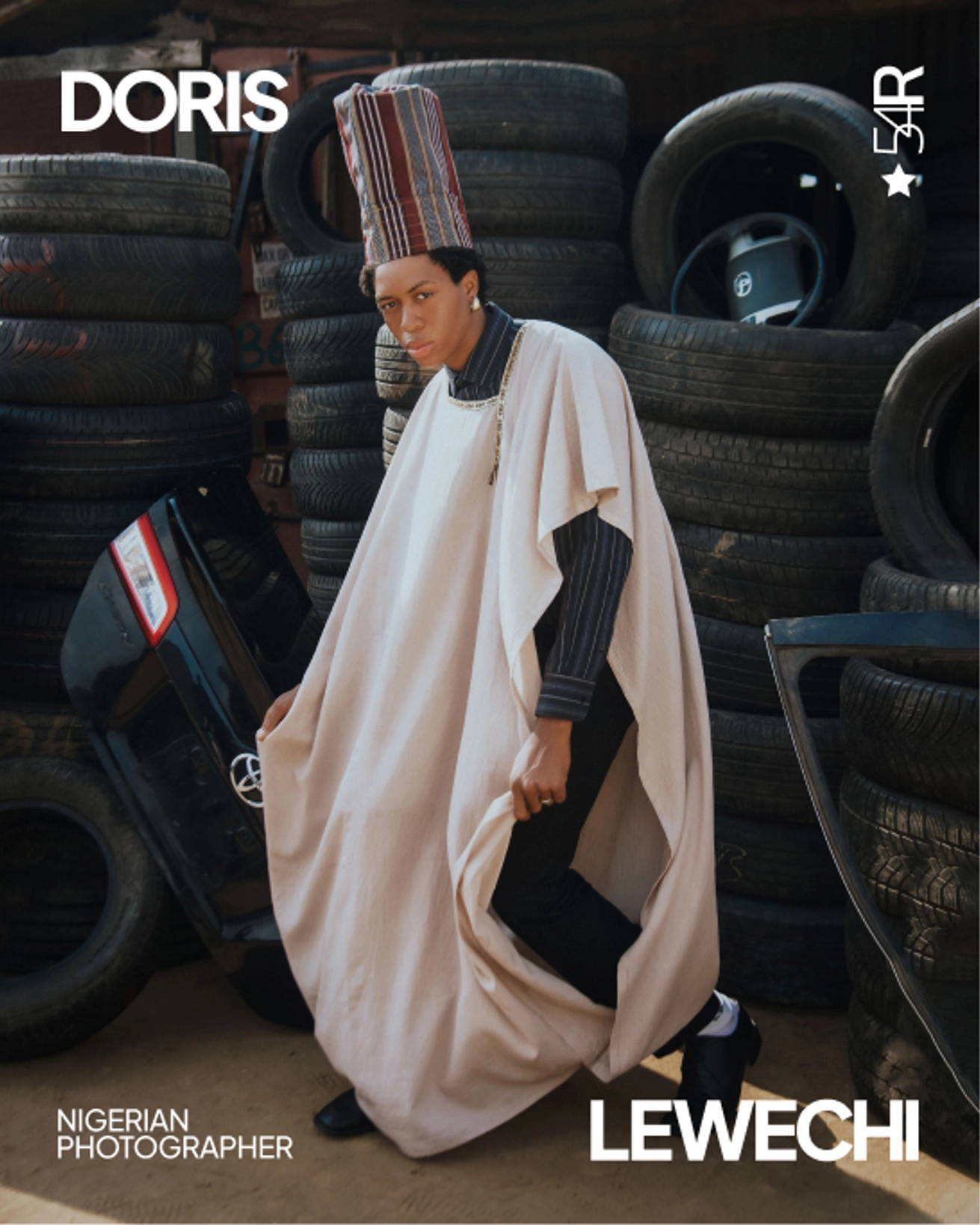
Doris Lewechi: Nigerian photographer elevating the overlooked through narrative integrity and bold editorial vision
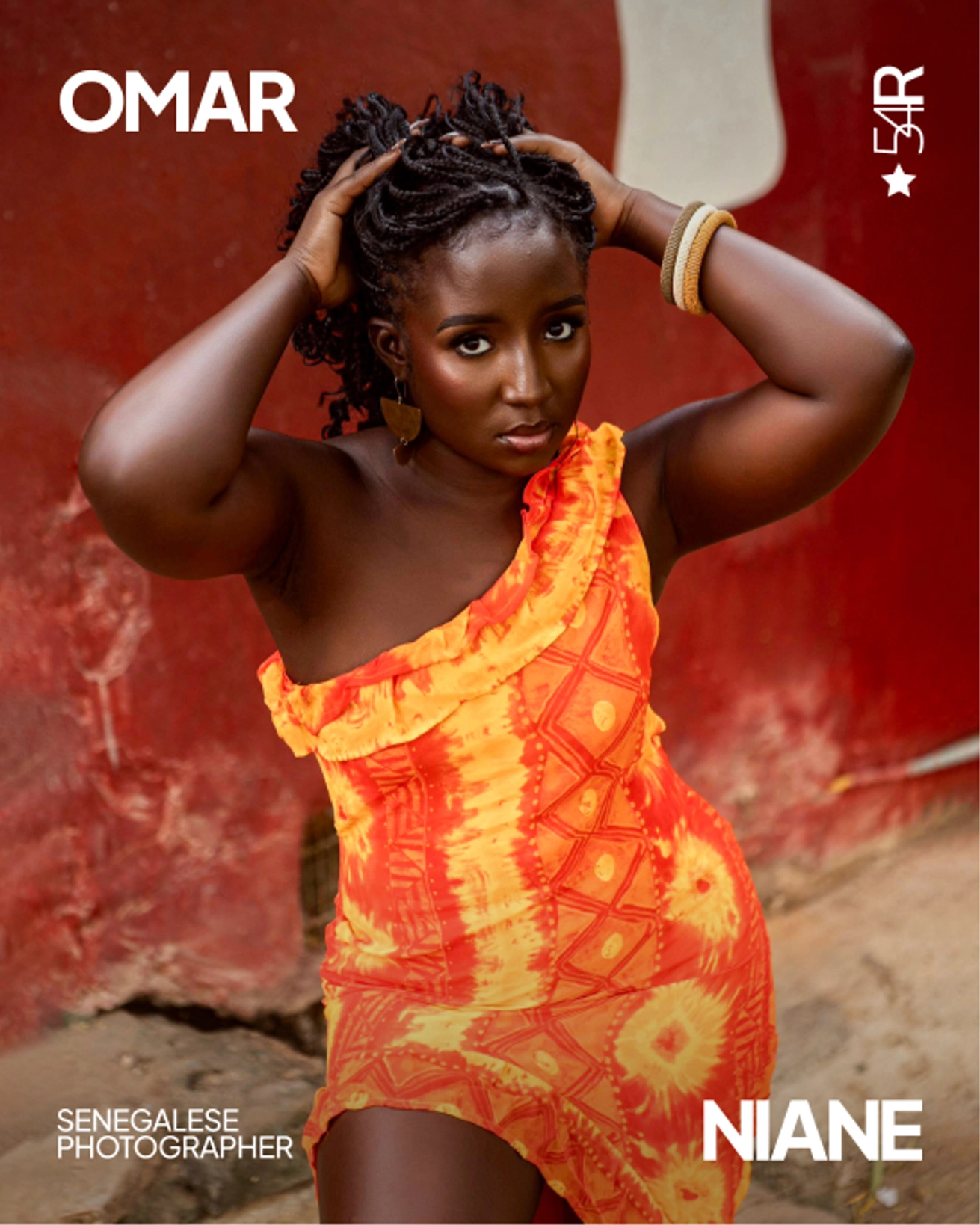
Omar Niane: Senegalese portrait and fashion photographer expressing identity and emotion
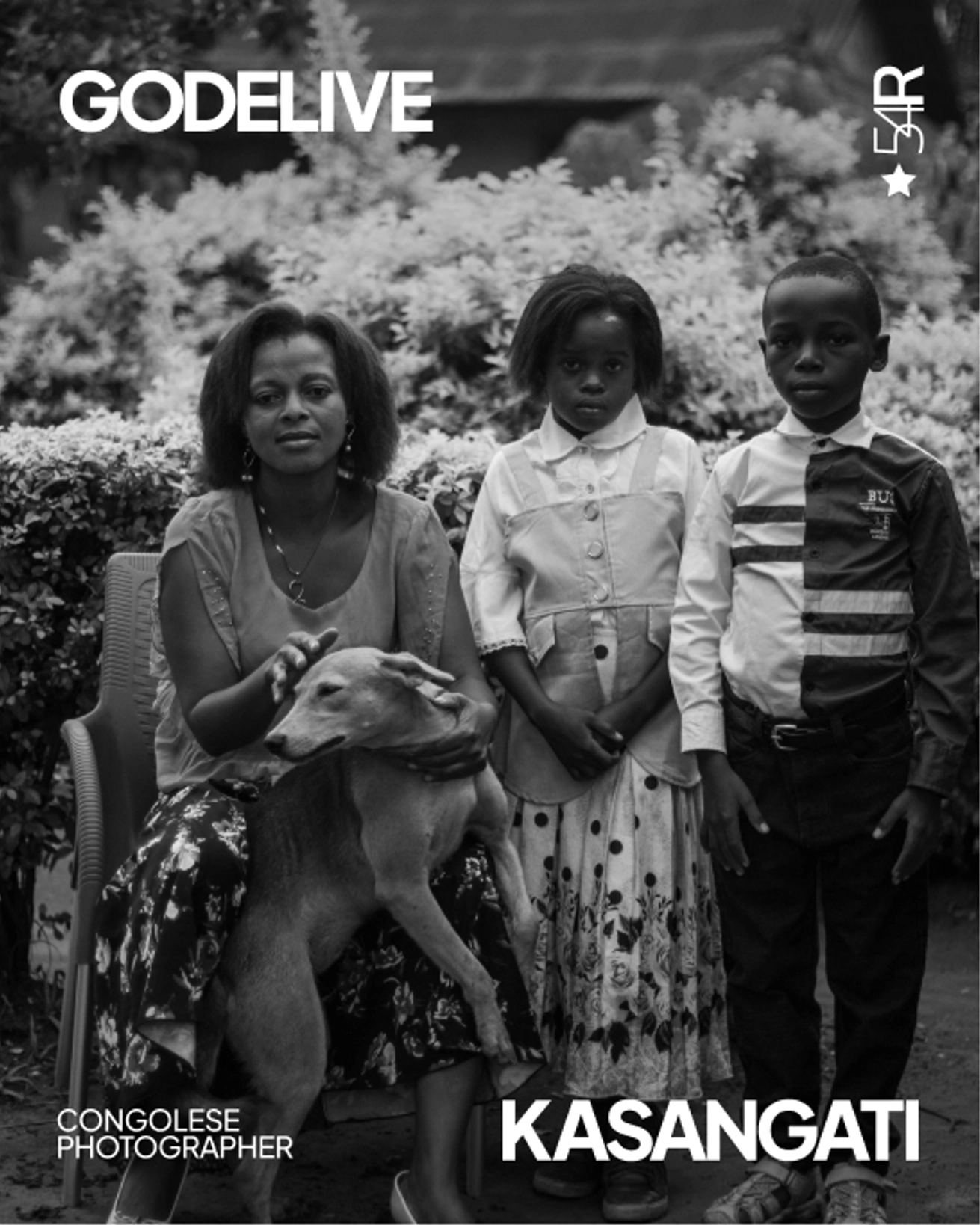
Godelive Kabena Kasangati: Congolese documentary and conceptual photographer exploring bodies, life, and the complexity of image-making
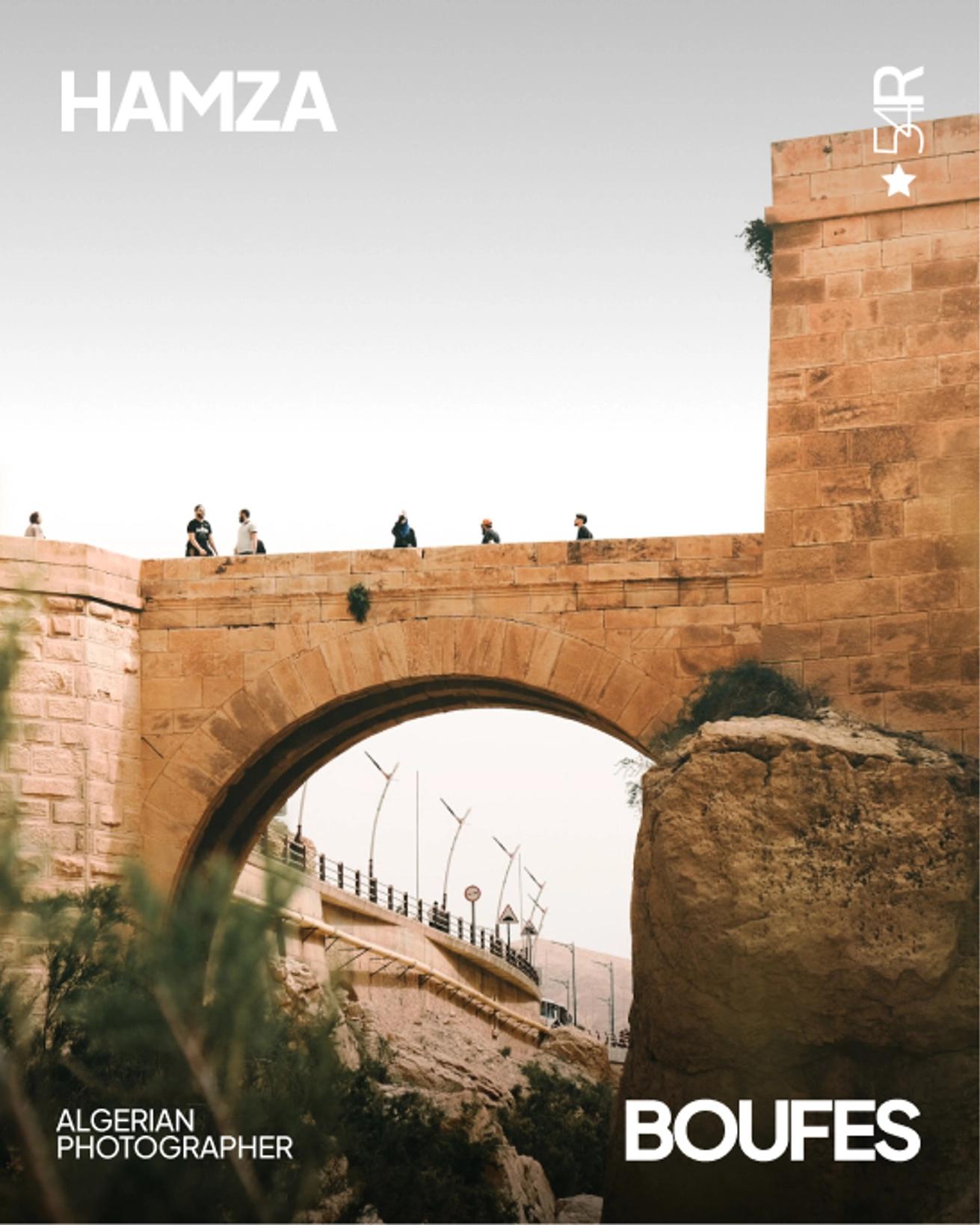
Hamza Boufes: Algerian conceptual and documentary photographer documenting heritage and cultural identity

Company

The Ruum Africa

Products

RTM

Community

Cookie Policy

© 2026 The Ruum Africa

Built by